
There comes a point when the rental that once felt like a smart investment starts to feel like a second job.
The AC call in July.
The lease renewal negotiation.
The repair coordination.
It adds up.
Early on, managing a rental may have felt straightforward. Over time, the burden increases. Climbing ladders, coordinating vendors, handling tenant issues, and absorbing rising costs may no longer align with your stage of life.
And not all landlords intended to become landlords.
Some inherited property.
Some moved away and kept a metro Phoenix home as a rental.
Some planned to return and never did.
Whether you own one property or a portfolio, selling without strategy can trigger unnecessary taxes and missed opportunity.
A properly structured 1031 exchange in Phoenix, governed under Section 1031 of the IRS tax code, may allow you to:
- Defer capital gains
- Reduce the burden of managing a rental
- Reposition equity
- Align assets with retirement and estate planning
This is not about simply selling property. It is about exiting strategically.
I am Shirley Coomer, a licensed Arizona real estate agent serving metro Phoenix since 2005. As a certified member of the KW Planner community and a real estate wealth advisor, I help investors align real estate decisions with retirement goals, tax exposure, and long-term planning while coordinating with CPAs and legal professionals.
Start With Strategy Before You List
Selling outright can trigger:
- Federal capital gains tax
- Depreciation recapture
- Arizona state tax
A 1031 exchange allows you to defer those taxes by reinvesting into qualifying like-kind investment property.
But here is the critical reality:
You cannot close, receive the proceeds, and then decide to complete a 1031 exchange.
Once funds are distributed, the opportunity is gone.
The strategy must be structured before closing.
The 45-Day and 180-Day Deadlines Are Not Flexible
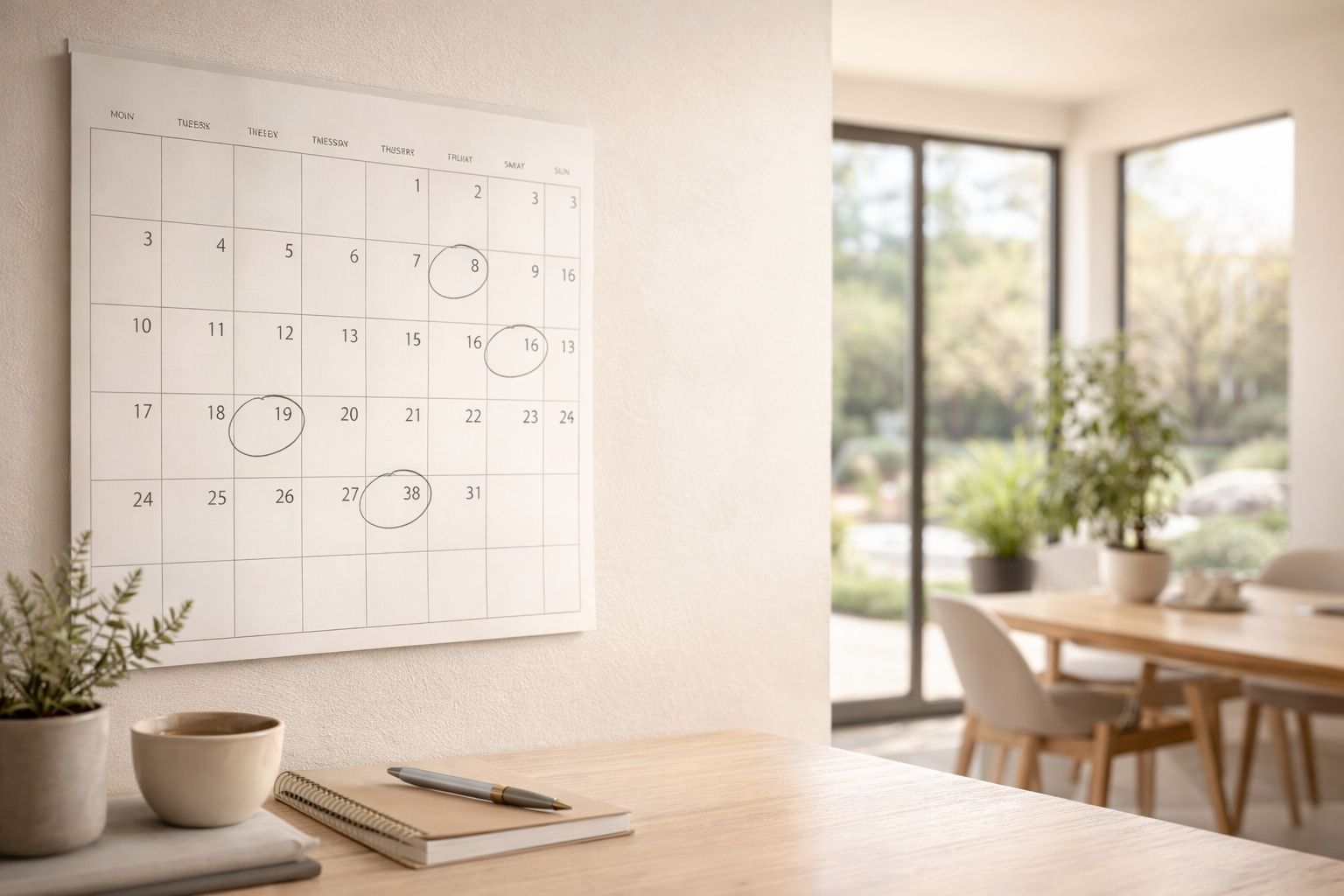
Under IRS rules, you have:
- 45 days to identify replacement property
- 180 days to close
Miss the 45-day window and the exchange fails.
This is why replacement strategy is often discussed before your property goes on the market.
Planning creates options. Waiting creates pressure.
If you want a deeper breakdown of how these timelines work and why they are strictly enforced, review our guide on 1031 Exchange Key Dates Every Arizona Seller Must Know.
What “Like-Kind” Really Means
Like-kind does not mean identical.
It means investment real estate exchanged for other investment real estate.
Examples include:
- Single-family rental into multifamily
- Rental into office or retail property
- Multiple rentals consolidated into one commercial asset
- Rental into triple net commercial property
- Rental into vacant investment land
Because this strategy is governed by federal IRS law, exchanges can occur across all 50 states.
You are not locked into the same property type or geography.
What Is “Boot”? A Clear Example
Boot refers to any portion of sale proceeds not reinvested, or any reduction in debt during the exchange.
Example:
If you sell a property for $500,000 and purchase a replacement property for $450,000, the remaining $50,000 may be taxable boot.
If you reduce your mortgage from $200,000 to $150,000, the $50,000 difference may also create taxable boot unless structured properly.
Exchange structure matters.
The Qualified Intermediary Requirement

At the closing of the relinquished property, proceeds must go directly to a Qualified Intermediary.
You cannot take possession of the funds.
When purchasing the replacement property, funds move from the Qualified Intermediary to the title company.
If you receive the money, even briefly, the exchange fails and becomes taxable.
This is why a knowledgeable real estate professional and a Qualified Intermediary must be involved before listing.
Do You Truly Know How Your Rental Is Performing?
Most investors can log into a retirement account and immediately see a rate of return.
Five percent.
Eight percent.
Ten percent.
But many rental owners only look at rent collected.
Before recommending a 1031 exchange, we conduct an Asset Performance Review:
- True income after all expenses
- Current equity position
- Rate of return on today’s equity
Equity is what you would walk away with after paying off the mortgage.
Then consider rising ownership costs:
- Insurance premiums
- HOA increases
- Property taxes
- Major repairs such as HVAC or roof replacement
Those reduce actual return.
And one more question:
Have you raised the rent?
Many landlords hesitate to increase rent for long-term tenants. When expenses rise but rent remains flat, returns quietly compress.
Equity sitting in an underperforming rental is still making a decision. It is deciding to stay exactly where it is.
Taxes are automatic. Strategy is intentional.
Retirement Planning and Long-Term Care Considerations
For many metro Phoenix investors, rental property is part of retirement income planning.
But consider:
If nothing changes, what does managing this property look like five years from now?
Does this asset provide stable retirement income?
Could it help fund future long-term care needs?
Is it structured to protect liquidity if healthcare costs increase?
Sometimes repositioning equity through a 1031 exchange can:
- Simplify income streams
- Reduce management responsibilities
- Improve predictability
- Align real estate with broader retirement strategy
Real estate should serve your retirement, not complicate it.
Building and Protecting Generational Wealth
Under current IRS rules, property held until death may receive a step-up in basis.
But here is the deeper question:
What exactly are you passing on?
Are your children prepared to inherit multiple rental properties?
Do they live locally? Or will they manage from across the country?
If siblings disagree, how easily can multiple properties be divided?
Real estate is not always simple to split.
In some families, rental property becomes opportunity. In others, it becomes friction.
Generational wealth is not just about passing down property. It is about passing down clarity.
Wealth is built in accumulation years. It is protected in planning years.
When a 1031 Exchange May Not Be Right
A 1031 exchange is powerful, but not always appropriate.
It may not fit if:
- You need liquidity
- You want to fully exit real estate
- Income is minimal
- Your CPA advises against it
The right strategy depends on your broader goals.
Before You Sell, Protect What You Built
If you sell investment property in metro Phoenix without a 1031 strategy in place, the tax decision is made for you.
Once closing occurs and proceeds are distributed, you do not get a second chance.
This may not be the right strategy for you.
But avoiding the conversation is still a decision.
If you are holding substantial equity, managing rising costs, and thinking about retirement, long-term care planning, or generational wealth, you owe it to yourself to review your options before listing.
As a certified member of the KW Planner community and a real estate wealth advisor serving metro Phoenix since 2005, I help investors make informed decisions before they trigger irreversible tax consequences.
In 15 minutes, you will know whether this deserves a deeper strategy session.
Schedule a 15-minute 1031 planning call now.
Call or text 602-770-0643.
Email scoomer@kw.com
to request a time.
Protect your equity before the sign goes in the yard.
