
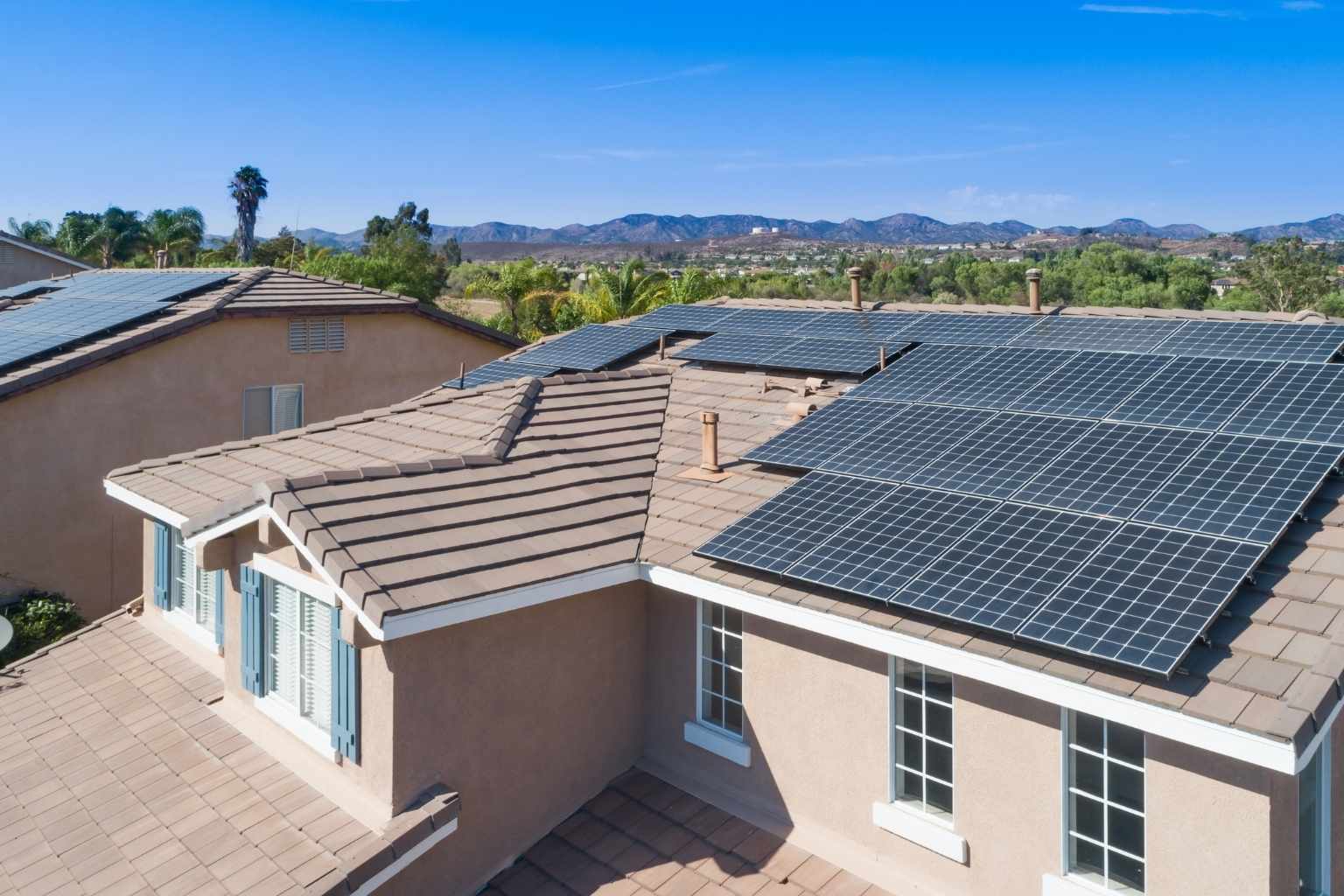
Buying a Home with Solar Panels in Phoenix, Arizona
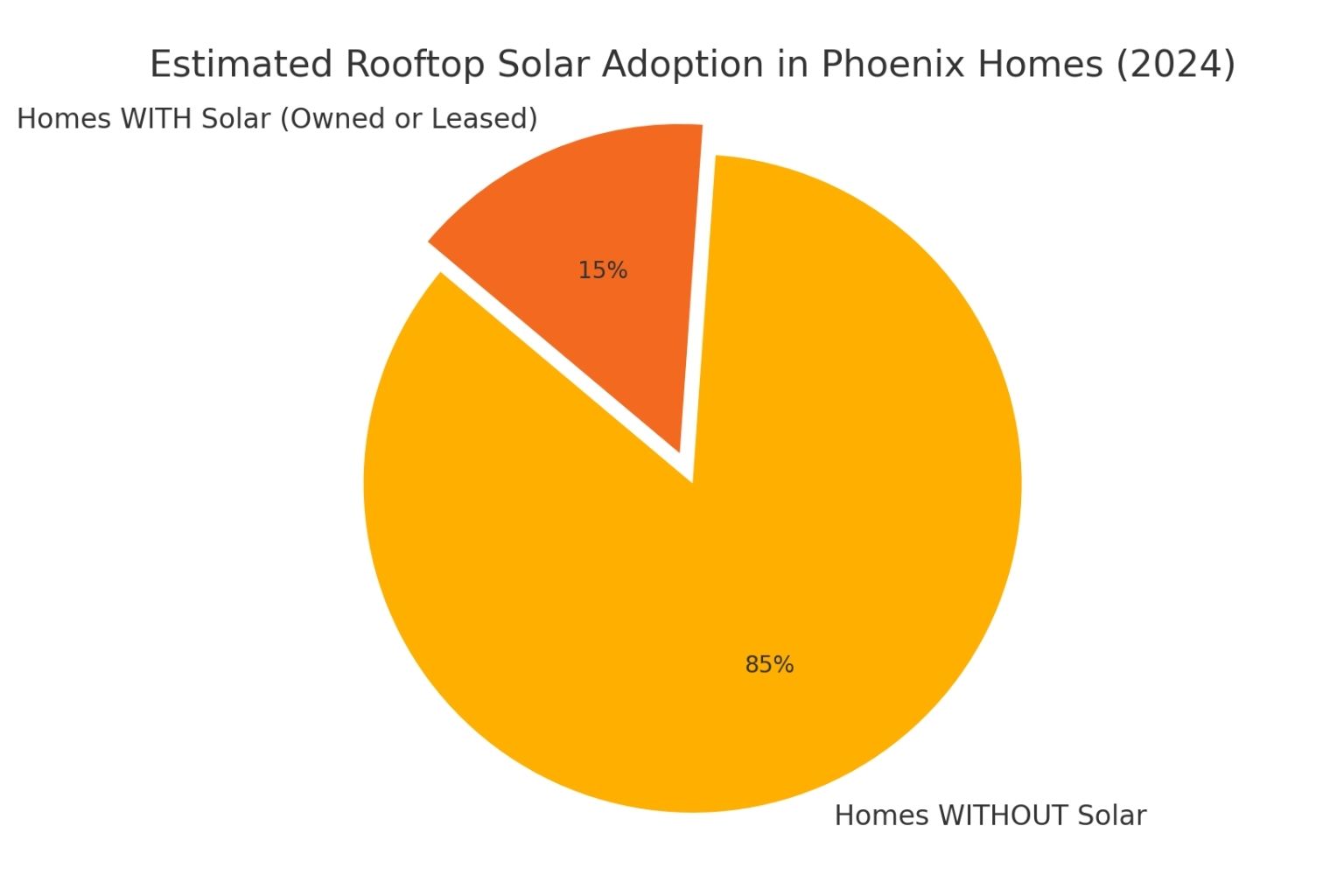
Estimated Solar Adoption in Phoenix (2024)
While Arizona ranks high in total solar energy production, most of that power comes from utility-scale systems, not residential rooftops.
- Estimated 10–20% of homes in Phoenix have rooftop solar (owned or leased)
- 80–90% of homes still do not have solar panels
(Source: U.S. Energy Information Administration, Environment America, local utility data)
Arizona leads the nation in sunshine, and that means solar panels are everywhere across the Valley. But before you fall in love with that energy-efficient home, there are a few things every buyer needs to consider.
Leased vs. Owned Solar Panels
One of the most important questions to ask is: Who owns the solar panels?
- Owned Panels: These panels are fully paid for and transfer with the home. This is the simplest and most desirable option for most buyers.
- Leased Panels: The homeowner pays a monthly fee to a third-party solar company. Buyers must assume the lease (pending credit approval) or ask the seller to pay off the lease before closing.
After a solar lease is paid off, the homeowner does typically own the panels outright. However, check for ownership documentation.

APS and SRP Solar Policies
Phoenix’s two main electric utility companies—APS (Arizona Public Service) and SRP (Salt River Project)—each have their own policies for how solar homes interact with the grid. It’s important to understand how energy savings are calculated and how rate plans work.
-
Net Billing: Both APS and SRP use a system called net billing, where excess solar energy you generate is sent to the grid, and you’re credited for it. However, the credit rate is typically lower than what you pay when using electricity from the grid.
-
Time-of-Use Plans: Many plans are based on time-of-use pricing, meaning electricity costs more during peak hours (typically late afternoon and early evening). Solar panels often produce the most energy midday, which doesn’t always align with peak usage, so savings vary.
-
Demand Charges (SRP Only): SRP includes demand charges in many of their solar rate plans. This means part of your bill is based on your highest 30-minute usage during peak hours in a billing cycle, which can make bills less predictable.
Every homeowner’s energy use is different, so it’s important not to assume one rate plan is better than another without understanding your own patterns.
Recommendation:
-
Ask the seller for copies of recent electric bills (with and without solar)
-
Contact APS or SRP directly to confirm your solar rate options
-
Consider how your appliance and A/C usage aligns with utility pricing models
⚠️ Note: Utility policies can change. Before buying a home with solar panels in Phoenix, always verify the most current solar policy and rate options directly with the utility provider to fully understand your projected savings.

How Much Can You Save with Solar in Arizona?
In Arizona, solar savings depend heavily on system size, household energy use, and seasonal needs—especially since many homeowners run air conditioning from April through October due to high temperatures.
- A 6 kW solar system may reduce monthly electric bills from $200–$250 down to $50–75, depending on usage and time-of-year.
- Smaller systems (5 kW) may yield $70–100/month in savings.
⚠️ These savings reflect Arizona’s current net billing structure—not full retail net metering. Utility rates and policies may change, so buyers should confirm current APS/SRP terms and projected savings directly before making a decision.
What Do Buyers Find Irritating?
Top 5 complaints from solar home buyers:
- Roof condition under panels is unclear
- Complicated leases that delay closing
- Unclear utility savings or mismatch with sales pitch
- Difficulty transferring warranties
- Limited understanding from inspectors or agents
Pro Tip: You can ask the seller to pay off the lease at closing to simplify the transfer.
What Should You Know About the Roof?
Solar panels make roof inspections more complicated.
- Panels can obscure damage.
- Inspectors can’t do invasive checks.
Some home inspection companies do specialize in solar-related roof evaluations. Be sure to clarify whether your home inspector is specifically trained to evaluate the roof as it applies to solar panels. Buyers may also want to hire a licensed roofer to assess visible portions of the roof and surrounding areas.
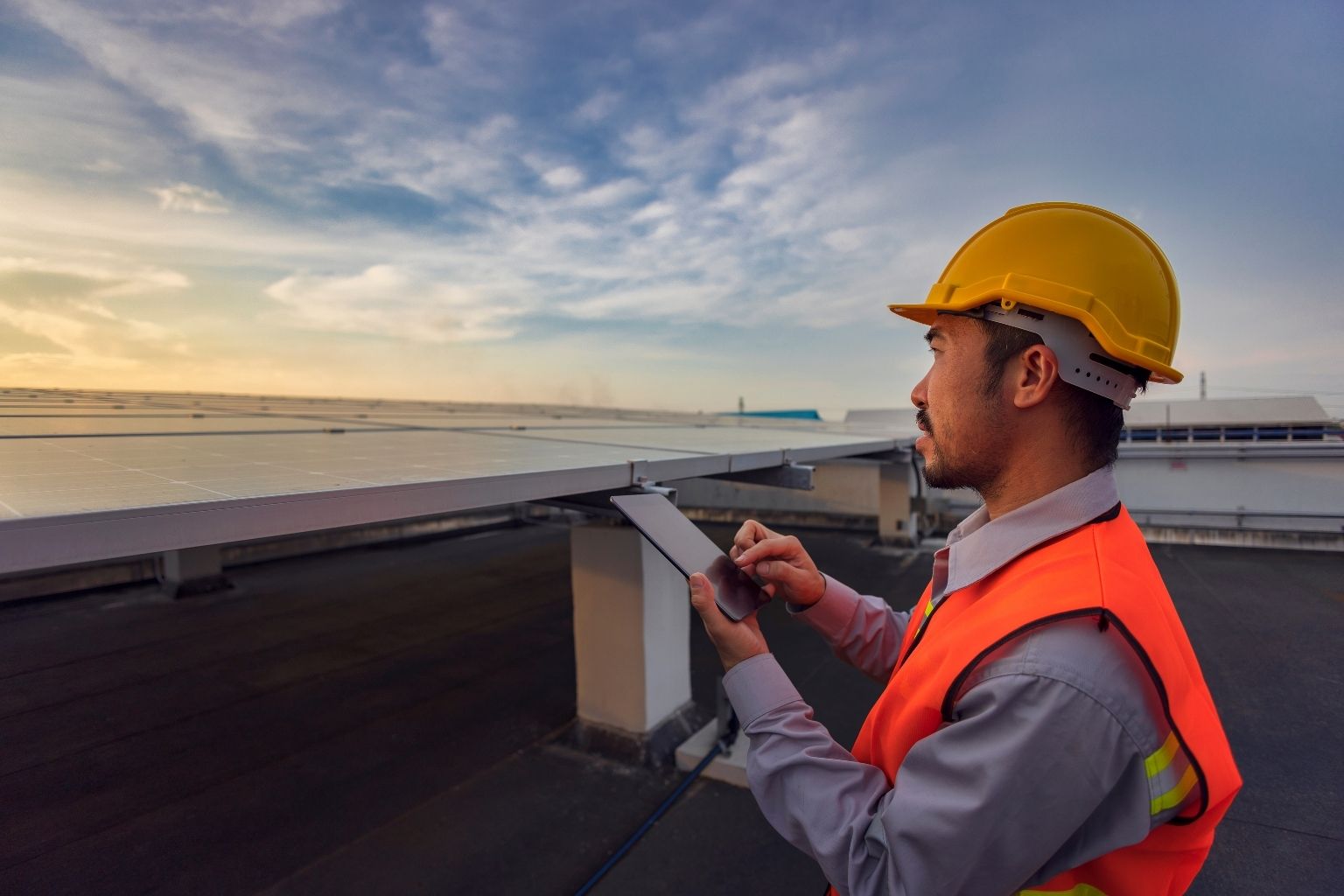
Who Can Inspect Solar Panels?
While home inspectors can offer limited feedback on the inverter or general system condition, you may want to hire a solar specialist.
What is an inverter?
The inverter is the part of a solar system that converts the energy collected from the sun (DC power) into usable electricity (AC power) for your home. It’s critical to the system’s performance and is often one of the first components to need repair or replacement.
Ask about:
- Panel age
- Inverter age/warranty
- Production guarantee
- Recent maintenance

Buyer Solar Checklist
What to Request Before Moving Forward with Buying a Home with Solar Panels in Phoenix:
- Solar lease or purchase agreement
- Recent electric bills (with solar credits)
- Warranty paperwork (panels, inverter, roof workmanship)
- Service/maintenance records
- System production estimate
- Contact info for solar company
- HOA approval (if applicable)
Can Solar Help with Resale?
Sometimes yes! A fully-owned system can increase home value. But leased systems may shrink your buyer pool.
Buyers want solar savings plus low hassle.
If you’re unsure, your real estate agent (like me!) can help you weigh the pros and cons.
FAQs
Q: Can I negotiate on a solar lease?
Yes! Ask the seller to pay off the lease or buy down the cost.
Q: Will I get energy credits?
Depends on the utility (APS or SRP) and how much power your system produces.
Q: What happens if the system underperforms?
Check the production guarantee—many systems have them!
Q: Do I need extra insurance?
Not usually, but confirm your homeowner’s policy includes solar.

What Can Buyers Ask Sellers to Do?
- Pay off the solar lease
- Provide detailed utility statements
- Schedule a system inspection
- Get a roofer evaluation
- Supply all documentation early to avoid delays
Final Thoughts
Solar can be a fantastic benefit in Phoenix—but only if you know what you’re buying. Ask the right questions, and work with a knowledgeable real estate professional to protect your investment.
Need help evaluating a home with solar panels?
Contact the Shirley Coomer Group at Keller Williams Realty Sonoran Living for expert guidance.
📞 Call or Text: 602-770-0643 📧 Email: scoomer@kw.com
About the Author

Shirley Coomer
602-770-0643
Licensed Realtor® | Keller Williams Realty
Certified Member of the KW Planner Community
Shirley Coomer is a trusted real estate advisor with over two decades of experience helping clients across Arizona protect their wealth and invest strategically. She specializes in 1031 Exchanges, passive income strategies, and wealth planning for investors and retirees.