
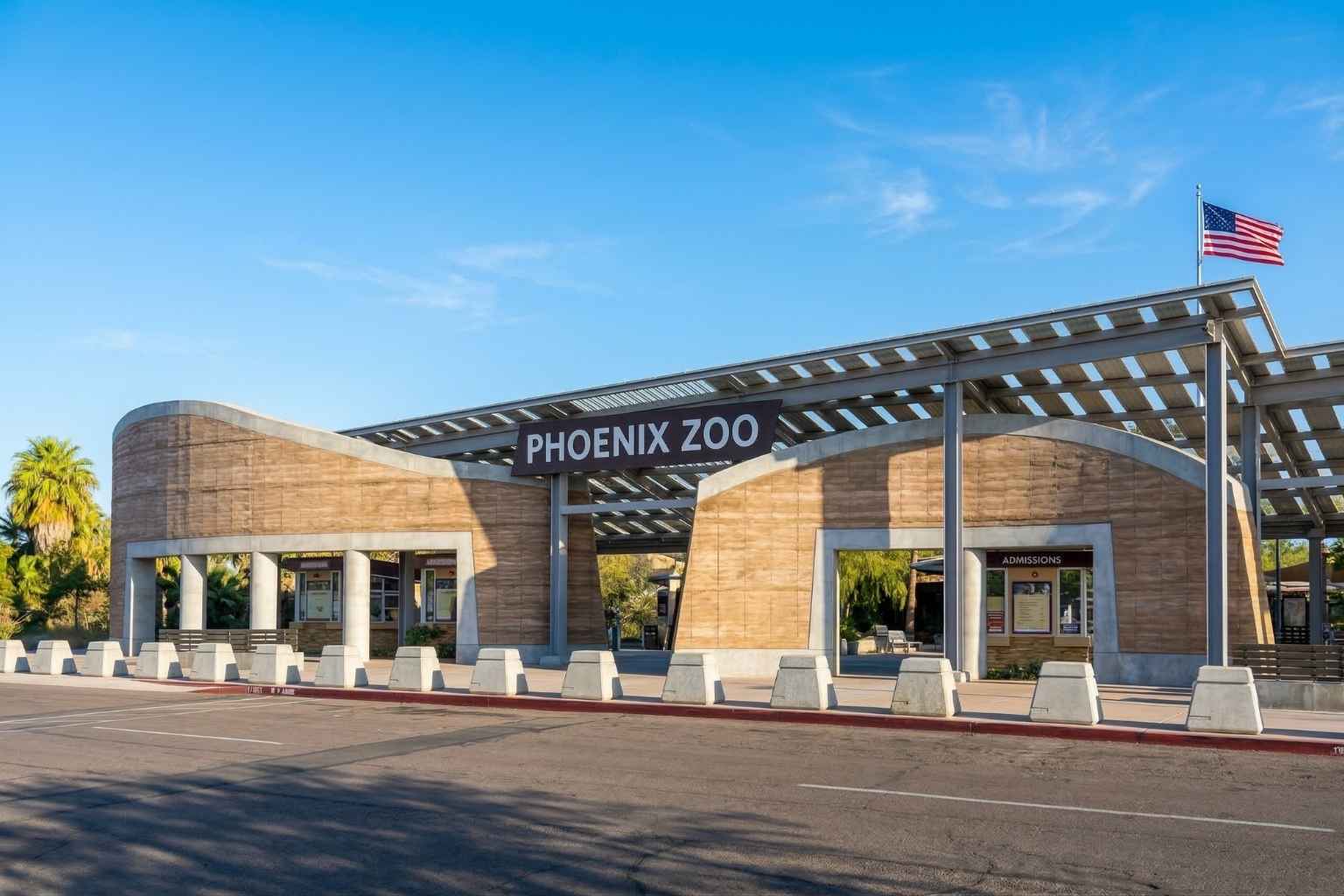
Planning a visit to the Phoenix Zoo can quickly turn into a full day of exploring. The zoo sits inside Papago Park and covers a large area, so it helps to know what to expect before you arrive. Families visiting with children, grandparents, or out-of-town guests often want to know which exhibits to see first, how long a visit will take, and what amenities are available throughout the park.
For many Phoenix residents and families relocating to the area, the zoo becomes a regular destination for weekend outings or when visitors come to town.
I’m Shirley Coomer, a licensed Arizona real estate agent with Keller Williams Realty serving the Phoenix metro area including Phoenix, Ahwatukee, Chandler, Tempe, and Mesa. Over the years I’ve worked with many buyers relocating to the Valley, and attractions like the Phoenix Zoo often come up when people are deciding where they want to live. Clients moving to the East Valley frequently mention that being close to Papago Park and the zoo is a lifestyle benefit they did not initially expect.
Why the Phoenix Zoo Is One of Phoenix’s Most Popular Family Attractions
The Phoenix Zoo sits on more than 120 acres inside Papago Park and is one of the largest nonprofit zoos in the United States.
Visitors explore several themed trails including:
- Arizona Trail
- Africa Trail
- Tropics Trail
- Children’s Trail
Because the zoo is large, most families spend three to five hours exploring the exhibits and attractions.
The zoo also focuses heavily on wildlife conservation and educational programs that help visitors understand how endangered species are protected around the world.
Attraction #1: Monkey Village Walk-Through Habitat
Monkey Village is one of the most unique Phoenix Zoo attractions. Visitors walk through a tropical habitat where squirrel monkeys move freely through trees and vegetation.
Instead of viewing animals behind glass, guests share the space with the monkeys while walking along the designated path.
This experience is particularly memorable for children because the monkeys are active and often move close to the walkway.
Attraction #2: Stingray Bay Interactive Exhibit
Stingray Bay gives visitors a chance to see cownose stingrays swimming through a shallow lagoon.
During certain times of the year guests may be able to gently touch or feed the rays under staff supervision.
Educational displays help visitors understand marine wildlife conservation and how zoo staff care for the animals.
Attraction #3: Predator Passage Habitat

Predator Passage highlights large carnivores in naturalistic environments designed to resemble African landscapes.
Animals often seen here include:
- African lions
- spotted hyenas
- African painted dogs
The exhibit includes elevated viewing areas that allow guests to observe animals from several angles.
Attraction #4: Arizona Trail Native Wildlife Exhibit
The Arizona Trail focuses on animals that live in the Sonoran Desert and surrounding regions.
Visitors may see species such as Mexican gray wolves, mountain lions, and other desert wildlife.
For families relocating to Phoenix, this trail often provides an introduction to the wildlife that lives in the desert environment surrounding the city.
Attraction #5: Giraffe Feeding Experience
The giraffe feeding platform allows visitors to stand at eye level with giraffes while offering food under staff supervision.
This experience is one of the most photographed moments during a visit to the zoo.
Families often place this near the top of their must-see list.
Three Lesser-Known Experiences Many Visitors Miss

Many visitors focus on the main exhibits, but several experiences are often overlooked.
Seasonal exhibits appear throughout the zoo.
Events like Dinosaurs in the Desert bring animatronic dinosaurs to certain walking trails.
Educational animal encounters happen daily.
Scheduled talks allow visitors to learn more about animal care and conservation programs.
The zoo supports global conservation work.
The Phoenix Zoo participates in wildlife conservation programs around the world and contributes to protecting endangered species.
Accessibility Features Help Visitors of All Ages
Because the zoo covers a large area, accessibility is an important feature for many visitors.
Wide paved paths allow easy access for:
- strollers
- wheelchairs
- mobility scooters
Visitors can also rent wheelchairs, strollers, and electric convenience vehicles near the entrance.
Shaded seating areas and rest spaces throughout the park make it easier to take breaks during the visit. These features are particularly helpful for seniors and multi-generational families visiting together.
Safari Cruiser Helps Visitors Who Cannot Walk Long Distances
The Safari Cruiser shuttle tour allows guests to ride through parts of the zoo while learning about the animals and habitats.
This option is especially helpful for visitors who prefer not to walk the entire zoo, including seniors, grandparents visiting with family, and parents with small children.
The tour provides a guided overview of several major exhibits while reducing the amount of walking required.
Dining Options Throughout the Zoo
Several casual dining locations are spread throughout the zoo.
Visitors may find options such as:
- Savanna Grill
- Jungle Java
- Farm Cafe
- Icee Mix-It-Up
Menu items typically include sandwiches, salads, burgers, snacks, and cold drinks.
Because the zoo is large, many visitors stop for refreshments during their visit.
Visitors Can Bring Their Own Food and Picnic
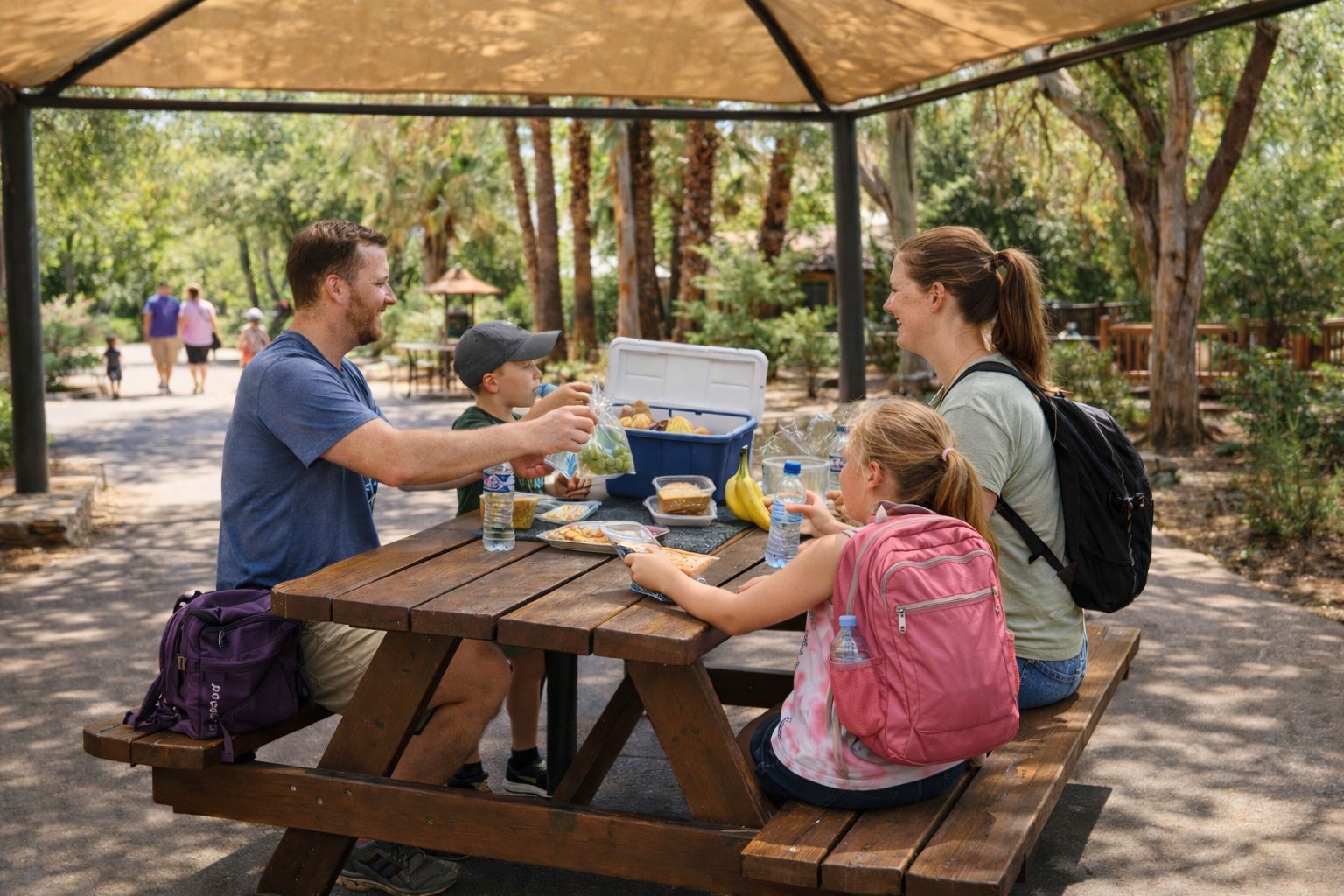
Families who want to reduce costs often bring their own snacks or lunch.
The zoo generally allows visitors to bring:
- water bottles
- small coolers
- snacks or picnic lunches
Glass containers and alcohol are not permitted.
Designated picnic areas and shaded seating areas provide places to relax and eat during a visit.
Desert Marketplace Gift Shop
Near the entrance visitors will find the Desert Marketplace gift shop.
This shop offers a wide range of souvenirs and educational items including:
- plush animal toys
- children’s books about wildlife
- zoo-themed clothing and hats
- puzzles and educational games
- reusable water bottles and souvenirs
Many families stop here at the end of their visit so children can pick out a small reminder of their day at the zoo.
Purchases at the shop support the zoo’s conservation and animal care programs.
Ticket Prices and Family Membership Options
Ticket prices at the Phoenix Zoo can change slightly depending on the season, but typical daytime admission is approximately:
- Adults around $35
- Children around $25
- Children under 3 free
Many Phoenix families choose an annual zoo membership instead of individual tickets.
Memberships typically include:
- unlimited daytime zoo visits for a year
- discounts on food and gift shop purchases
- guest admission discounts
- early access or reduced pricing for special events
Families who visit the zoo multiple times during the year often find memberships to be a good value.
Neighborhoods Located Near the Phoenix Zoo

The Phoenix Zoo sits inside Papago Park, which places it close to several well-known Phoenix neighborhoods.
Nearby areas include:
- Arcadia
- Arcadia Lite
- North Tempe neighborhoods near Tempe Town Lake
Homes in these areas are popular with buyers who enjoy easy access to outdoor recreation and central Phoenix amenities.
The zoo is also conveniently located for many East Valley communities. From Ahwatukee Foothills, Chandler, and Mesa, the drive is typically about 15–25 minutes depending on traffic.
In my experience helping buyers relocate throughout the Phoenix metro area, many people are surprised by how centrally located Papago Park is within the Valley. Living in communities like Ahwatukee or Tempe often means being close to major outdoor destinations including Papago Park, hiking trails, and the Phoenix Zoo.
Frequently Asked Questions About the Phoenix Zoo
How long does it take to visit the Phoenix Zoo?
Most visitors spend three to five hours exploring the zoo, although some families stay longer if they attend tours or animal encounters.
Can visitors bring food into the Phoenix Zoo?
Yes. Visitors are typically allowed to bring snacks, water bottles, and small coolers. Picnic areas and shaded seating areas are available.
Is the zoo accessible for seniors or visitors with mobility limitations?
Yes. Wide paths, wheelchair and scooter rentals, and the Safari Cruiser shuttle help visitors explore the zoo comfortably.
When is the best time of year to visit the Phoenix Zoo?
Many people prefer visiting between fall and spring when temperatures are cooler. During summer months, locals often arrive early in the morning.
Living Near Papago Park and Phoenix Outdoor Attractions
Papago Park, home to the Phoenix Zoo, is surrounded by several popular attractions including the Desert Botanical Garden and Tempe Town Lake. For many Phoenix residents these areas become regular destinations for hiking, walking, and family activities.
As a Phoenix real estate professional, I often help buyers relocating to the Valley evaluate neighborhoods based on lifestyle features such as nearby parks, trails, and attractions. Communities in Ahwatukee, Tempe, Chandler, and Mesa provide convenient access to Papago Park and many other outdoor amenities throughout the metro area.
If you are considering buying or selling a home in the Phoenix metro area and want guidance from a local real estate professional, you can call or text me at 602-770-0643 or email me at scoomer@kw.com.
