
A rental property may feel like a smart asset while you are here to manage it. But what happens when the rent checks, repairs, tenants, taxes, insurance, and decisions pass to someone else? If your heirs do not want to manage the property, rental property estate planning may be the difference between a clear transition and a complicated one.
In the last article, we looked at how a 1031 exchange and DST may help some retirement investors reduce active rental management. This article asks the next planning question: if the property becomes part of your estate, will it create clarity for your heirs, or more work?
Rental Property Estate Planning Should Start With Purpose
Rental property estate planning means deciding what should happen to an investment property if the owner dies, becomes unable to manage it, or wants to simplify before a family transition. The goal is to reduce confusion, protect the owner’s intent, and help heirs understand whether the property should be kept, sold, exchanged, or professionally managed.
This article is for Phoenix-area rental owners, downsizers, and families who are trying to decide whether an investment property belongs in the next stage of their estate plan.
The first question is simple:
Who is this property supposed to serve after you are gone?
For some owners, the answer is clear. The property may provide income, long-term equity, or a future sale opportunity. For others, the answer gets cloudy.
Maybe one child wants the property and another does not. Maybe no one wants to manage tenants. Maybe the property has appreciated, but the cash flow is modest. Maybe the owner has been holding it for years because selling could create tax concerns.
A rental property estate planning conversation should not begin with the property. It should begin with the people, the purpose, and the practical outcome.
Real Estate Can Be an Asset and a Burden
A rental home can build wealth, but it can also require decisions at the worst possible time.
After a death or major life transition, heirs may need to figure out:
- Who is responsible for the property?
- Is there a lease in place?
- Are repairs needed before sale?
- Is the tenant current on rent?
- What is the property worth?
- Should the property be sold, kept, exchanged, or transferred?
- Who has legal authority to act?
These are not small questions. They can affect timing, family communication, tax conversations, and the sale process.
I’m Shirley Coomer, a licensed Arizona real estate agent serving the Phoenix metro area with Keller Williams Realty. Since 2005, I have helped Phoenix-area homeowners, investors, downsizers, and families think through real estate decisions that are not only transactional, but deeply personal.
In my experience, rental properties often become complicated when the owner had a plan in mind, but never clearly documented how that property should be handled.
Your Heirs May Not Want to Be Landlords
Many rental owners assume their heirs will be grateful to inherit real estate. Sometimes they are. Sometimes they are overwhelmed.
A child or beneficiary may live out of state. They may have no interest in tenants, repairs, vacancies, leases, or late-night calls. They may not understand Arizona landlord responsibilities. They may also have different financial needs than the original owner.
A rental property can be valuable and still be the wrong asset for the next generation.
That does not mean you should sell it immediately. It does mean the property should be reviewed as part of a broader estate and real estate plan.
If you own rental property in the Phoenix metro area, local knowledge matters. Property condition, desert landscaping, roof age, HVAC systems, tenant expectations, and seasonal buyer patterns can all affect the best path forward.
Appreciation Does Not Automatically Make the Plan Better
Many long-term rental owners hold property because it has gone up in value. That may be a good reason to review the property. It is not always a good reason to keep it.
Appreciation can hide poor asset performance. A property may look successful on paper while creating low return on equity, ongoing repairs, or management stress.
For example, a Phoenix-area rental owner may have strong equity in a property but modest annual income after expenses. If that owner passes the property to heirs, the heirs may inherit not only the equity, but also the decisions, tenant issues, maintenance, and timing pressure.
The question is not only, “Did the property go up?”
The better question is, “Would your heirs choose this property if they were making the decision today?”
Estate Planning Is Not Just About Documents
A will or trust may say who receives the property. But that does not always answer what should happen next.
Your attorney can help you determine how title, trust language, beneficiary designations, and legal authority should be handled. Your CPA or tax professional can help explain tax issues, including capital gains, depreciation recapture, step-up in basis considerations, and 1031 exchange questions.
My role is different. As a Phoenix-area real estate agent, I help owners and families understand the real estate side of the decision.
That may include:
- Reviewing the property’s likely sale position
- Looking at current condition and repair concerns
- Discussing tenant and lease considerations
- Comparing hold, sell, or exchange conversations
- Coordinating timing around family needs
- Helping prepare the property for market if selling becomes the right path
I do not provide legal, tax, or financial advice. However, I often work alongside attorneys, CPAs, financial planners, and qualified intermediaries so the real estate decision fits the larger plan.
Phoenix Rental Properties Need Practical Planning
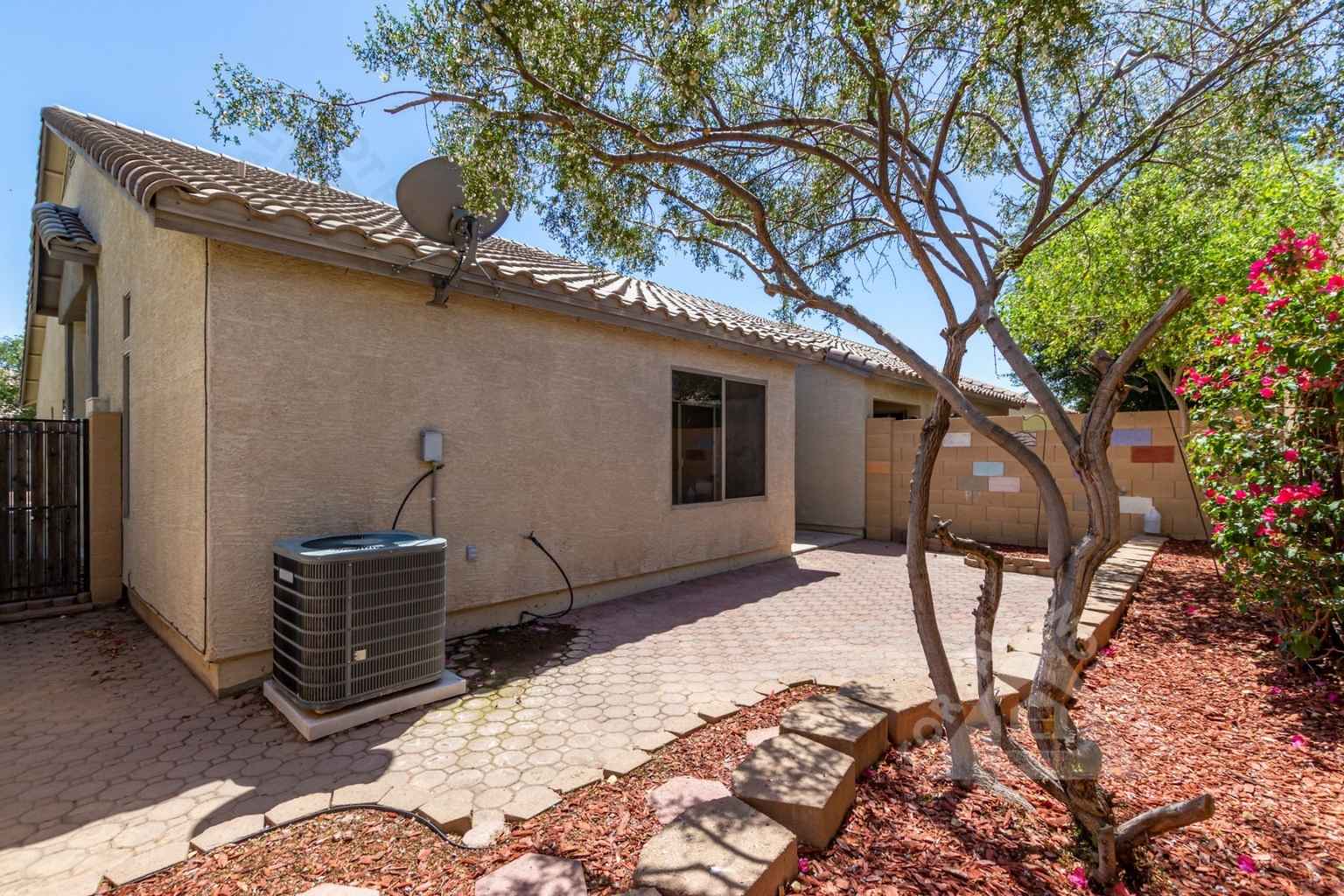
A rental property in the Phoenix metro area, deferred maintenance can become expensive quickly because roof condition, air conditioning systems, irrigation, pool equipment, and summer vacancy timing all affect how easily a rental can be held or sold.
This matters in estate-related transitions because heirs may not know the property history. They may not know when the HVAC system was replaced, whether the roof has been inspected, or whether irrigation leaks have affected landscaping or exterior condition.
I have walked through rental properties where the owner understood every repair, every tenant issue, and every maintenance decision. Then I have watched families try to recreate that information later with only partial records.
That is stressful, and it can affect value.
Good rental property estate planning should include a basic real estate review, not just legal paperwork. The property itself needs to be understood.
A 1031 Exchange May Be a Planning Tool, Not the Goal
A 1031 exchange allows some investment property owners to defer certain taxes when selling one investment property and purchasing another qualifying investment property. It must follow strict IRS rules and deadlines, so it requires professional guidance.
For some owners, a 1031 exchange may help them move from one rental property into another property that better fits their goals.
For others, a dst, or Delaware Statutory Trust, may be worth discussing with licensed financial, tax, and exchange professionals. A dst can allow certain investors to own a fractional interest in institutional real estate without managing tenants directly.
This is not the right fit for every owner. It also should not be treated as a quick decision after the property is already under contract.
A 1031 exchange should follow the planning conversation, not replace it.
The Biggest Mistake Is Waiting Until the Family Is Under Pressure
The hardest time to make a real estate decision is when everyone is rushed, grieving, confused, or trying to avoid conflict.
That is why rental owners should review the property before a major transition happens.
A planning conversation can help clarify:
- Whether the property should be kept or sold
- Whether the heirs want the property
- Whether the property is producing enough income
- Whether management is becoming too difficult
- Whether a 1031 exchange should be explored
- Whether a dst may be part of the conversation
- Whether the property should be prepared for a future sale
I have seen families feel much more confident when the owner has already had these conversations. Even when the final decision changes later, the family has a starting point.
Selling May Be the Cleanest Answer for Some Families
Not every rental property needs to be preserved. Sometimes selling is the cleanest path.
A sale may make sense when:
- No heir wants to manage the rental
- The property needs major repairs
- The income is low compared to the equity
- The owner wants to simplify before retirement
- The family wants liquidity instead of shared property ownership
- The property creates conflict among beneficiaries
Selling investment real estate may create tax consequences, so owners should speak with a CPA or tax professional before making a final decision. Still, the possibility of taxes should not automatically freeze the decision.
The question is whether the property still supports the owner’s goals, the heirs’ needs, and the family’s long-term plan.
Keeping the Rental May Still Be Right When the Plan Is Clear
There are also situations where keeping the rental may make sense.
That may be true when:
- The property produces strong net income
- The heirs understand and want the asset
- A property manager is already in place
- The property condition is stable
- The lease terms are clear
- The estate documents support the intended outcome
- The owner has communicated the plan
A rental property can be a strong part of an estate plan when the structure, management, and family expectations are aligned.
In Phoenix-area real estate, this matters because homes require ongoing attention. Roofs, air conditioning systems, irrigation, pools, and desert landscaping can create real costs if they are ignored.
A Real Estate Review Can Help Clarify the Next Step
Rental property estate planning does not have to answer every question in one meeting. It should create clarity around what needs to be reviewed.
When I help a rental owner or family look at a property, I focus on practical questions:
- What is the property likely worth in today’s market?
- What repairs or updates may affect sale value?
- What would a buyer notice immediately?
- Is the current lease helping or limiting options?
- Is the property easy or difficult to sell?
- Does the property still match the owner’s goals?
- Would the heirs want to keep it?
This type of review gives the owner better information before talking with an attorney, CPA, financial planner, or qualified intermediary.
If you are looking for a Phoenix real estate agent to help you evaluate whether a rental should be kept, sold, exchanged, or prepared for a future transition, this is the kind of planning conversation I help clients navigate.
How This Connects to the 1031 Exchange Series
This series began with a simple question:
What is this property supposed to do?
From there, we looked at asset performance, landlord fatigue, appreciation, taxes, and the possibility of 1031 exchange and dst options.
Now the question becomes broader.
What happens to the property if you are no longer the one making the decisions?
That question matters because estate planning is not only about transferring assets. It is also about reducing confusion, protecting relationships, and making sure the property still serves a clear purpose.
In the next article, we will look at why investors should start planning for a 1031 exchange before the property is listed, not after a buyer appears.
Read next in the series: Thinking About a 1031 Exchange? Start Before You Need One.

FAQ: Rental Property Estate Planning Questions
Should I sell my rental property before my heirs inherit it?
It depends on your goals, the property’s performance, your tax situation, and whether your heirs want to manage the rental. Some owners choose to sell, some keep the property, and some explore a 1031 exchange. Speak with your attorney and tax professional before making a final decision.
What if my children do not want my rental property?
If your children or heirs do not want to manage the property, it may be time to review your options. You may consider selling, hiring management, restructuring ownership, or exploring a 1031 exchange or dst with the right professionals.
Can a rental property create problems in an estate plan?
Yes. A rental property can create problems if heirs disagree, if no one has authority to act, if repairs are needed, or if the property has tenants and unclear records. Clear planning can reduce confusion.
Is a 1031 exchange part of estate planning?
A 1031 exchange can be part of a broader real estate and tax planning conversation for investment property owners. It is not estate planning by itself. It should be reviewed with your CPA, attorney, qualified intermediary, and other appropriate professionals.
What is the first step if I own a Phoenix rental and want to simplify?
Start with an asset performance review. Look at income, expenses, equity, repairs, management burden, and whether the property still fits your retirement and estate goals.
Before Your Rental Property Becomes Someone Else’s Decision
If you own a rental property and you are not sure whether it is helping or complicating your estate plan, let’s review it before your family has to make decisions under pressure. I’m Shirley Coomer, a licensed Arizona real estate agent with Keller Williams Realty serving the Phoenix metro area, and I help rental owners look at the real estate side of estate, trust, downsizing, and transition decisions. You can call or text me at 602-770-0643 or email me at scoomer@kw.com.
