
If you are thinking about upgrading your home to make it more sellable, solar panels can sound like an easy win. Lower utility bills, green appeal, and strong marketing language all seem to point in the same direction. But one recent call from a long-time homeowner in Phoenix reminded me why sellers need to slow down and look at how solar actually impacts resale, not just monthly bills.
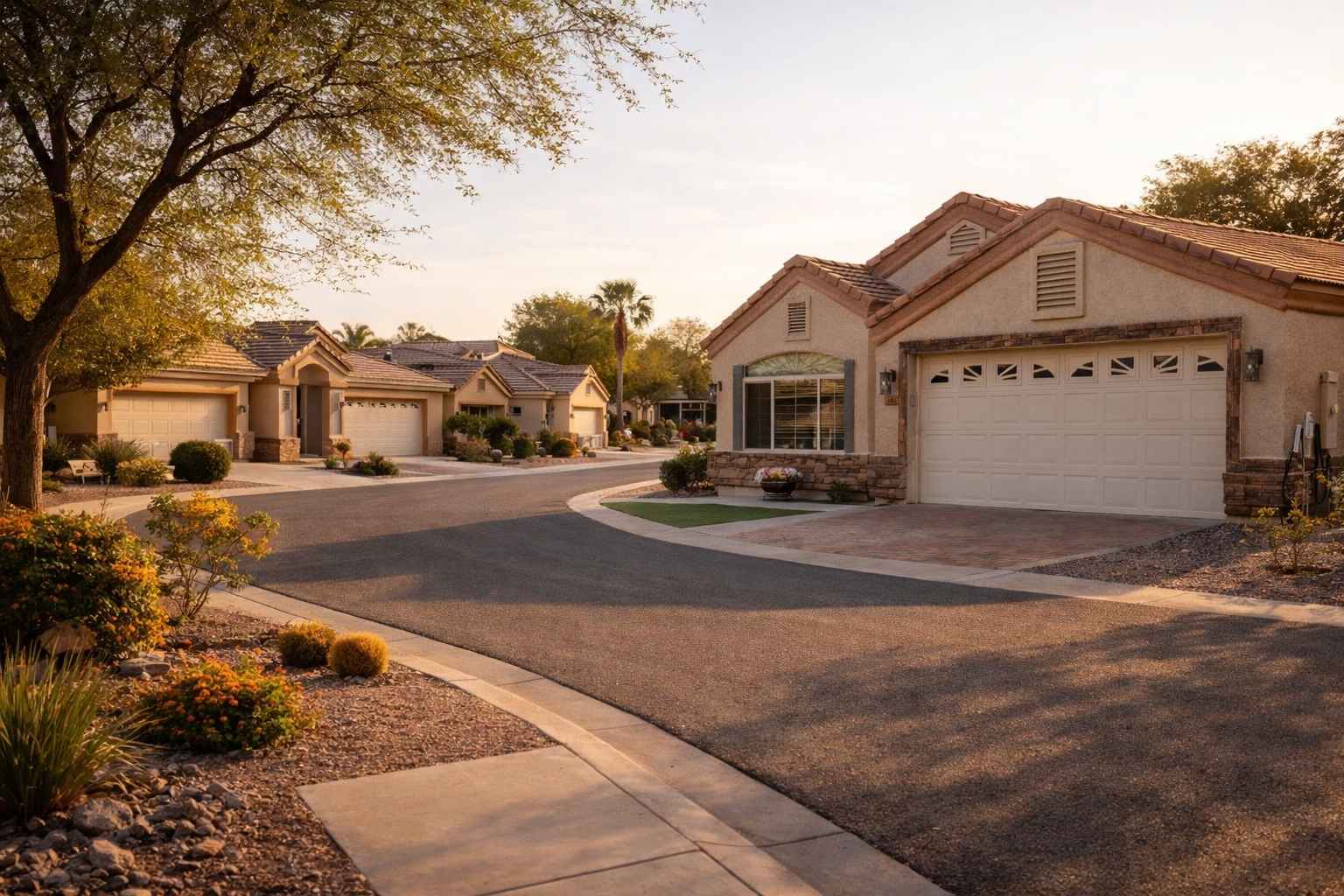
The homeowner was in his mid-80s. He and his wife had lived in the home for many years. It was a single-story house, under 1,400 square feet, with a pool and a modest energy footprint. After being listed for nearly a year without selling, he was trying to decide what upgrades might finally move the needle.
A solar company had already spoken with him. What they told him raised several red flags.
I’m Shirley Coomer, a licensed Arizona real estate agent with Keller Williams Realty serving the Phoenix metro area. I regularly work with senior homeowners and long-time residents who want clear, practical guidance before making costly decisions. This call is a good example of why solar is not automatically the right answer for every seller.
When lifestyle and home size change the solar math
As we talked, it became clear that this home did not operate like many larger Phoenix properties. The house was compact, single level, and had relatively light daily usage. With just two adults in the home, laundry loads were limited, and overall energy demand was modest.
One important detail stood out. The couple had enclosed their patio years earlier and added a mini-split system for heating and cooling. That enclosed space was where they spent most of their time. As a result, they were not running the main HVAC system all day across the entire house.
From a resale and cost-recovery standpoint, this matters. Solar savings are closely tied to usage. In smaller homes with efficient living patterns, the financial return on installing solar late in ownership is often far less than sellers expect.
The incorrect claim that triggered concern
The solar company told the homeowner that a future buyer would not need to qualify to assume the solar lease.
That statement was incorrect.
In most Phoenix-area transactions involving leased solar, the buyer must review the lease, meet qualification standards, and formally assume the contract. If a buyer cannot or will not do that, the seller is often forced to pay off the lease at closing or risk losing the sale.
I have seen this issue delay closings and, in some cases, cause buyers to walk away entirely.
This is one of the biggest risks sellers face when considering leased solar as a resale strategy.

Owned solar and leased solar are very different at sale time
This distinction is often glossed over in sales presentations, but it is critical for homeowners planning to sell.
Owned solar panels
Owned systems are typically transferred with the home and do not require buyer qualification. Buyers may value the reduced utility costs, assuming the system is functional and properly documented.
Leased solar panels
Leased systems introduce a third party into the transaction. Buyers must agree to the remaining lease terms, payment structure, and escalation clauses. Many buyers, especially retirees or cash buyers, prefer not to take on that obligation.
For sellers, this can narrow the buyer pool and complicate negotiations.
Roof condition and pools add another layer of scrutiny
We also discussed the roof. In Phoenix, roof condition already receives close attention due to heat exposure and replacement costs. When solar panels are added, buyers often worry about future removal and reinstallation expenses if the roof needs work.
The presence of a pool adds another consideration. Buyers already factor in pool maintenance and energy use. Solar does not always offset those concerns in the way sellers expect, especially when usage patterns are light.
From a resale perspective, solar on an aging roof or late in the selling timeline can create hesitation rather than confidence.

Why solar does not automatically fix a long market time
One of the most important parts of our conversation had nothing to do with panels or kilowatts.
When a home has been on the market for an extended period, the cause is rarely solved by adding one feature. Pricing, condition, layout, buyer perception, and marketing strategy all play a role.
In my experience working with sellers across Phoenix, Mesa, Chandler, and Ahwatukee, strategic pricing adjustments, targeted repairs, and clearer positioning often deliver better results than major system upgrades made late in the process.
Solar can be helpful in the right situation. It is not a universal solution.
For a buyer-focused breakdown of how solar ownership and leases affect financing, inspections, and contract decisions, see my detailed guide on buying a home with solar panels in Phoenix.
Why this conversation mattered for this homeowner
By the end of the call, the homeowner understood that solar might not deliver the resale benefit he was hoping for. Given the home’s size, usage patterns, roof considerations, and lease risks, the decision deserved careful thought.
This is exactly why I encourage sellers to evaluate upgrades through a resale lens, not just a monthly-bill comparison.
For a deeper foundation on this topic, including buyer perception and common contract issues, you can read my original article here:
Selling a Home With Solar Panels in Phoenix, Arizona
That article explains the baseline considerations. This follow-up reflects what continues to come up in real seller conversations.
Frequently asked questions from Phoenix home sellers
Does adding solar increase my home’s value in Phoenix?
Sometimes, but not always. Owned systems can appeal to buyers, while leased systems often introduce friction. Value depends on usage, system type, and buyer expectations.
Do buyers really have to qualify to assume a solar lease?
In most cases, yes. Lease assumption typically requires buyer approval by the solar company.
Is solar a good idea for smaller or single-story homes?
It depends on energy usage and timing. Smaller homes with efficient living patterns may see limited resale benefit.
Should I talk to a real estate agent before installing solar?
Yes. A Phoenix real estate agent can help you evaluate how solar will affect buyer demand and resale risk in your specific market.
Making smart upgrade decisions before you sell
If you are considering solar panels as a way to make your Phoenix home more sellable, it is worth having a resale-focused conversation first. The right decision depends on home size, usage patterns, roof condition, ownership structure, and buyer expectations.
I’m Shirley Coomer, a licensed Arizona real estate agent with Keller Williams Realty, serving Phoenix, Ahwatukee, Chandler, Mesa, and nearby East Valley communities. You can call or text me at 602-770-0643 or email me at scoomer@kw.com. If you are unsure which upgrades truly support your sale, I can help you evaluate options before they become costly commitments.
Sellers should also consider how major upgrades may affect net proceeds at closing. I cover this in detail in my article on capital gains tax considerations for Arizona home sellers, including how improvements can factor into taxable gains.