A rental property can look successful on paper because the value went up. But appreciation alone does not always mean the property is still doing its job. After looking at landlord fatigue, the next question is often harder: are you keeping the property because it still performs, or because it went up in value?
Appreciation Can Make an Average Rental Look Better Than It Is
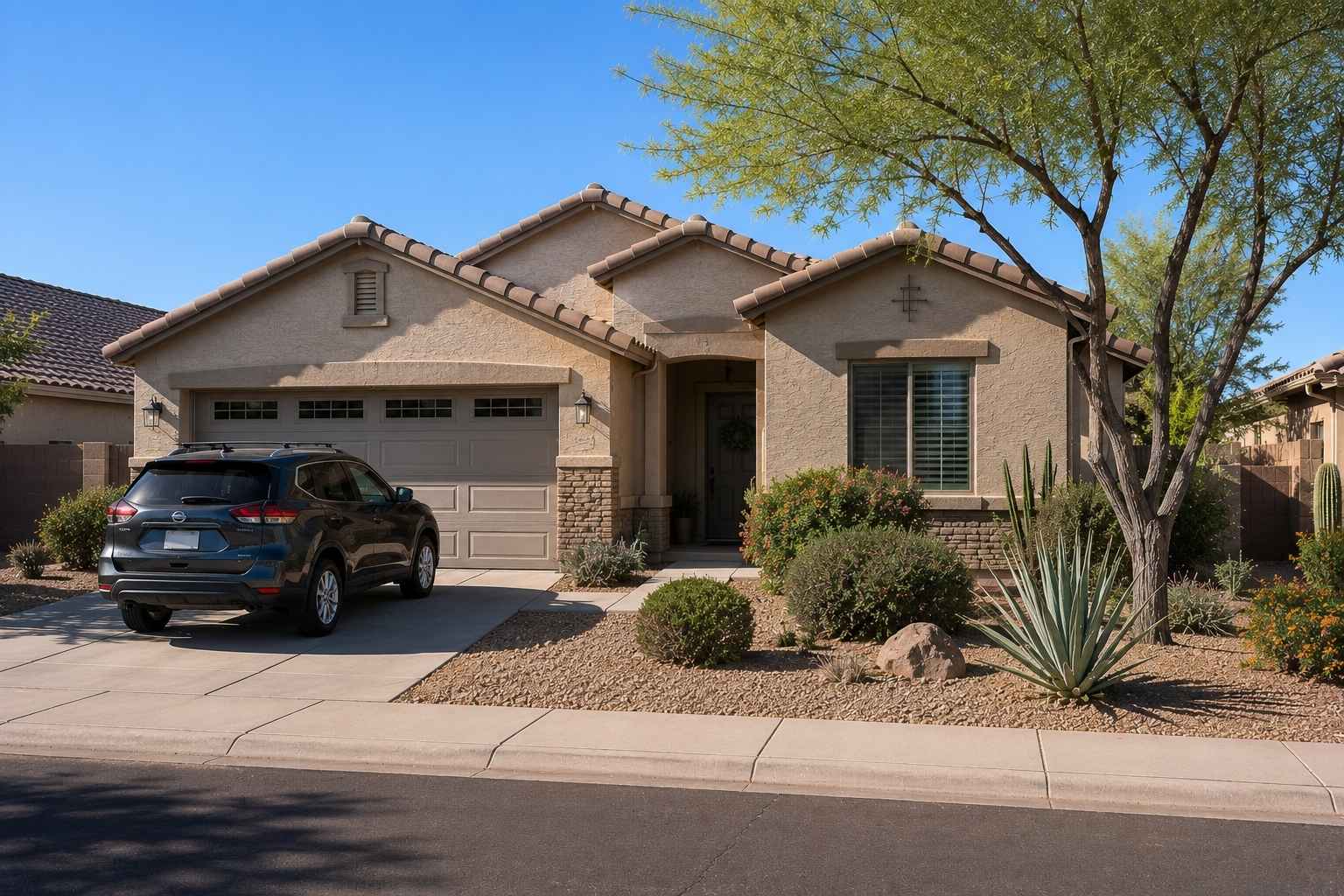
Many long-term rental owners in the Phoenix metro area have seen values rise over time. That can create a feeling of success, and sometimes that feeling is valid.
However, appreciation can also hide weak property performance.
A rental may have gone up in value while still producing modest income, requiring frequent repairs, creating tenant stress, or tying up a large amount of equity. The owner may feel wealthy on paper but frustrated in real life.
That is the tension this article addresses.
This post is for homeowners and rental property owners considering selling, exchanging, or rethinking an Arizona investment property. It is also for families who may inherit rental real estate and want to understand whether the asset is helping or complicating the bigger plan.
I’m Shirley Coomer, a licensed Arizona real estate agent with Keller Williams Realty, serving the Phoenix metro area. In my work with sellers, investors, downsizers, and estate-related transitions, I often see owners focus on what the property is worth without first asking what the property is doing.
Those are not the same question.
Rental Asset Performance Starts With the Job of the Property
Before deciding whether to keep, sell, or exchange a rental, start with purpose.
What is this property supposed to do?
For one owner, the goal may be income. For another, it may be long-term wealth building. For someone nearing retirement, the goal may be less management, less stress, and more predictable cash flow. For an estate plan, the goal may be simplicity for heirs.
A rental property should be evaluated by how well it supports the owner’s current goals, not just by how much it appreciated in the past.
That is why rental asset performance matters.
If the main benefit is appreciation that already happened, the next question becomes simple: what is the equity doing now?
If the answer is “not much,” the owner may be holding an appreciated asset that is no longer aligned with the next season of life.

Appreciation Is Not the Same as Cash Flow
Appreciation is the increase in value over time. Cash flow is what remains after income and expenses.
Both matter, but they are not interchangeable.
A rental property can appreciate and still underperform as an income asset. For example, it may have strong equity but low net income after vacancy, maintenance, insurance, property taxes, HOA fees, management costs, and repairs.
Phoenix-area rental owners also know that desert homes have real upkeep. HVAC systems, roofing, irrigation, pool equipment, exterior paint, flooring, and tenant turnover are not minor details. They can change the real return on a rental property quickly.
A property with high equity and low net income may feel safe because the value is there. Yet the owner may be carrying all the work while receiving a smaller return than expected.
This is where appreciation can create a blind spot.
The property went up, so it feels successful. But the owner may not be asking whether the equity could work harder somewhere else.
A Simple Example Can Reveal the Return on Equity Problem
Here is a sample illustration using simple numbers. This is not a tax calculation, and it does not include mortgage debt. It is only a way to see how equity and cash flow can tell different stories.
Assume an owner has a Phoenix-area rental with $400,000 in equity.
The property rents for $2,500 per month, which equals $30,000 per year in gross rental income.
Now subtract basic operating expenses:
Vacancy allowance at 5%: $1,500
Repairs and maintenance at 10%: $3,000
Property taxes: $2,500
Insurance: $1,800
HOA fees: $1,200
Property management at 8%: $2,400
Miscellaneous expenses: $600
That totals $13,000 in annual expenses.
Now compare the income and expenses:
Gross annual rent: $30,000
Estimated annual expenses: $13,000
Estimated net income: $17,000
On the surface, $17,000 in annual net income may sound reasonable. But now compare it to the equity.
If the owner has $400,000 in equity and the property produces $17,000 in net income, the return on equity is about 4.25%.
Return on Equity Is Not Good or Bad by Itself
That number is not automatically good or bad. A 4.25% return on equity may feel acceptable to one owner if the property is easy to manage, has strong long-term potential, and fits the estate plan.
For another owner, that same 4.25% may feel weak if the property needs a new HVAC system, has frequent tenant turnover, requires constant attention, or creates stress in retirement.
That is why return on equity should not be reviewed in isolation. It should be compared with the time, risk, repair exposure, tax impact, and lifestyle cost of keeping the property.
In simple terms, return on equity helps answer this question:
Is the equity in this rental property working hard enough to justify keeping it here?
Equity That Sits Still May Be Costing You Opportunity
Equity is not automatically productive.
If a Phoenix rental property has substantial equity but modest income, the owner may be accepting a lower return on that equity than they realize. This is especially important for owners who are retired, close to retirement, or tired of active landlord responsibilities.
A simple way to think about it is this:
If you had the current equity in cash today, would you buy the same rental again?
That question removes nostalgia. It also removes the emotional weight of “I’ve owned it for years.”
In my experience helping Phoenix-area owners review real estate decisions, this question often changes the conversation. Owners may realize they are not choosing the property today. They are simply continuing a decision they made years ago.
That does not mean the property should be sold. It means the property deserves a fresh review.
The Real Question Is Not Whether the Property Went Up
Many owners ask, “How much has it appreciated?”
That is useful, but it is not enough.
A better question is, “Is this still the best use of the equity?”
That question leads to a deeper review of rental property performance. It looks at income, expenses, management burden, risk, repair needs, tenant turnover, and the owner’s personal goals.
For a Phoenix-area rental owner, the decision may also involve timing, seasonality, property condition, and buyer expectations. An older rental in Ahwatukee, Mesa, Chandler, or another East Valley community may appeal to buyers, but condition still matters.
A home with deferred maintenance may need pricing strategy. A home with strong updates may attract a different buyer pool. A tenant-occupied property may require careful coordination before listing.
Local real estate experience matters because the decision is not just theoretical. It has to work in the actual Phoenix housing market.
A Property Can Appreciate and Still Create Stress
Sometimes the numbers are not the only issue.
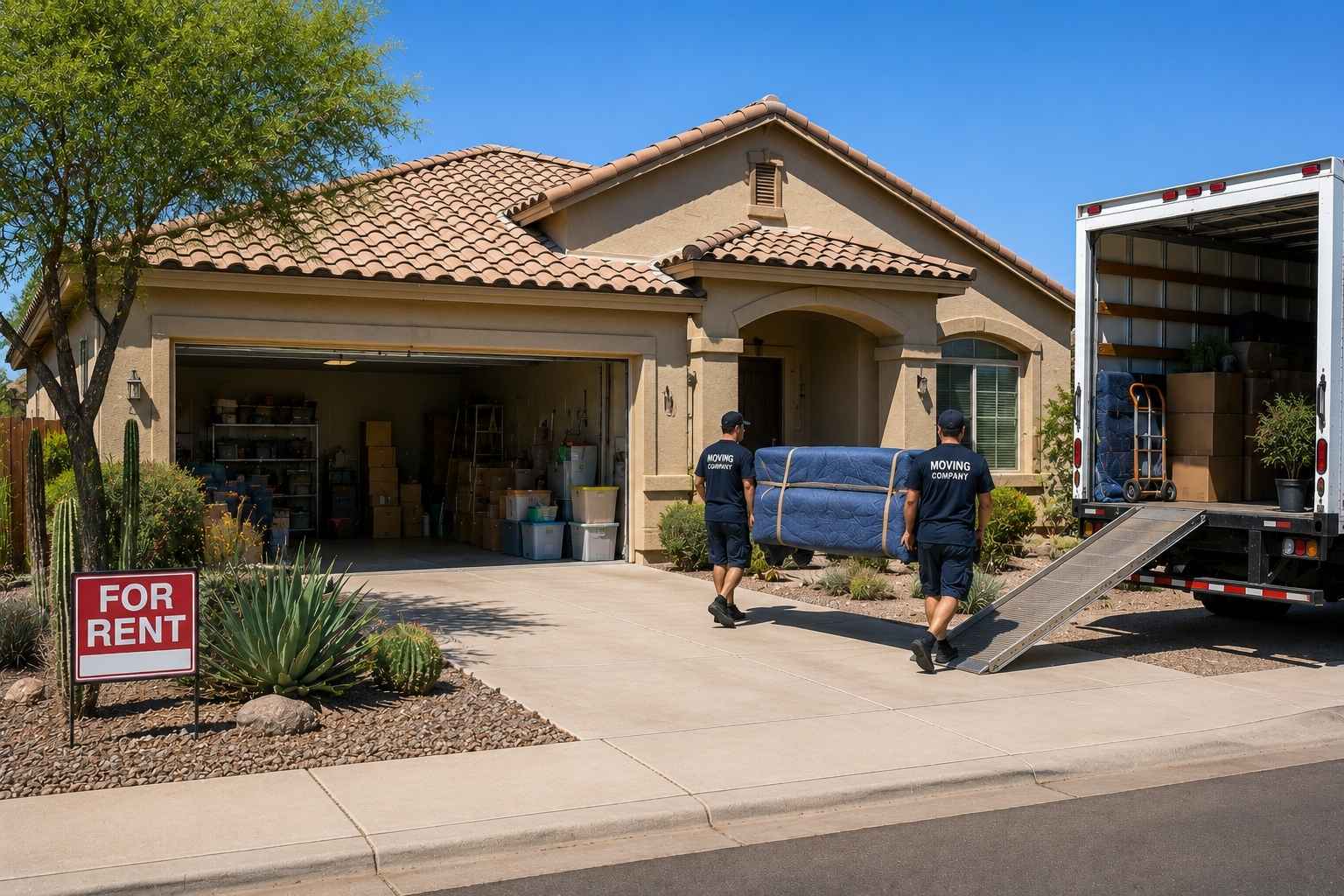
The property may be producing income, but the owner is tired. Calls, repairs, lease renewals, late payments, vendor coordination, accounting, and tenant transitions can wear people down over time.
This is especially true for owners who once had the time and energy to self-manage but now want more freedom.
I have worked with Phoenix-metro homeowners who were not in a financial emergency, yet they felt trapped by the responsibility of managing property. Their question was not, “Did this property make money?” Their question was, “Do I still want this job?”
That is an important distinction.
A rental property is not just an asset. It is also an operating responsibility. If appreciation is the only reason you are keeping it, the property may be managing you more than you are managing it.

Taxes Matter, But They Should Not Be the Only Reason You Stay Stuck
Many rental owners hesitate to sell because they are concerned about capital gains tax, depreciation recapture, and the loss of future appreciation.
Those concerns are valid. They should be reviewed with a qualified tax professional.
However, taxes should be part of the decision, not the only decision-maker.
If an owner keeps a property only because selling feels tax-heavy, they may ignore other risks. Those risks can include low income, major repairs, tenant issues, estate complexity, or burnout.
A 1031 exchange may be one planning tool to discuss with your tax and legal professionals. A 1031 exchange allows some real estate investors to defer certain taxes when selling investment property and purchasing qualifying replacement property, if strict rules are followed.
For some owners, that replacement property may be another rental. For others, a Delaware Statutory Trust may be worth exploring with appropriate professional guidance because it may offer a more passive way to remain invested in real estate.
This is also where the next planning question begins. Once you understand whether the property is truly performing, the tax question becomes clearer: are taxes part of the plan, or are they the reason you feel stuck?
This is not tax, legal, or financial advice. The point is simple: do not let fear of taxes prevent you from reviewing whether the property still fits your plan.
What to Review Before You Decide to Keep, Sell, or Exchange
A useful rental review does not need to start with complicated formulas. It can begin with clear questions.
Ask yourself:
- What is the property worth today?
A current valuation helps you understand the equity you are working with. - What is the true annual net income?
Include vacancy, repairs, insurance, taxes, HOA fees, property management, and expected maintenance. - What major expenses may be coming?
In Arizona, HVAC, roofing, exterior paint, pool equipment, flooring, and irrigation can materially affect returns. - How much time and stress does the property require?
Your time has value, especially if you are trying to simplify retirement. - Would your heirs want this property?
If your children or beneficiaries do not want to manage rentals, appreciation may not solve the estate planning challenge. - Would you buy it again today?
This may be the clearest question of all.
When I help clients think through these issues, I am not replacing their CPA, attorney, or financial advisor. My role as a Phoenix real estate agent is to help them understand the real estate side: likely value, property condition, selling options, timing, buyer appeal, and transaction strategy.
Poor Performance Does Not Always Mean You Should Sell
A low-performing rental is not automatically a property to sell.
Sometimes the issue can be corrected. Rent may be below current market expectations. Repairs may improve tenant quality. Property management may reduce stress. A refinance, remodel, or lease adjustment may change the picture.
However, if the property requires more capital, more work, and more attention than you want to give, it may be time to evaluate other options.
For homeowners considering selling an Arizona rental property, the decision should be based on the whole picture, not one number.
That includes:
- Current value
- Net income
- Equity position
- Condition
- Tax impact
- Management burden
- Estate planning goals
- Replacement options
- Lifestyle goals
This is where a transaction-only approach can fall short. Selling is only one possible outcome. The better starting point is understanding what the property is supposed to accomplish now.
Why Phoenix-Area Context Matters
Rental decisions are local.
A Phoenix-area rental owner may be dealing with desert maintenance, seasonal buyer patterns, snowbird demand, investor expectations, or neighborhood-specific property condition issues. Even within the metro area, a rental in central Phoenix may have different buyer appeal than one in Gilbert, Mesa, Scottsdale, or Tempe.
That is why a generic online estimate is not enough.
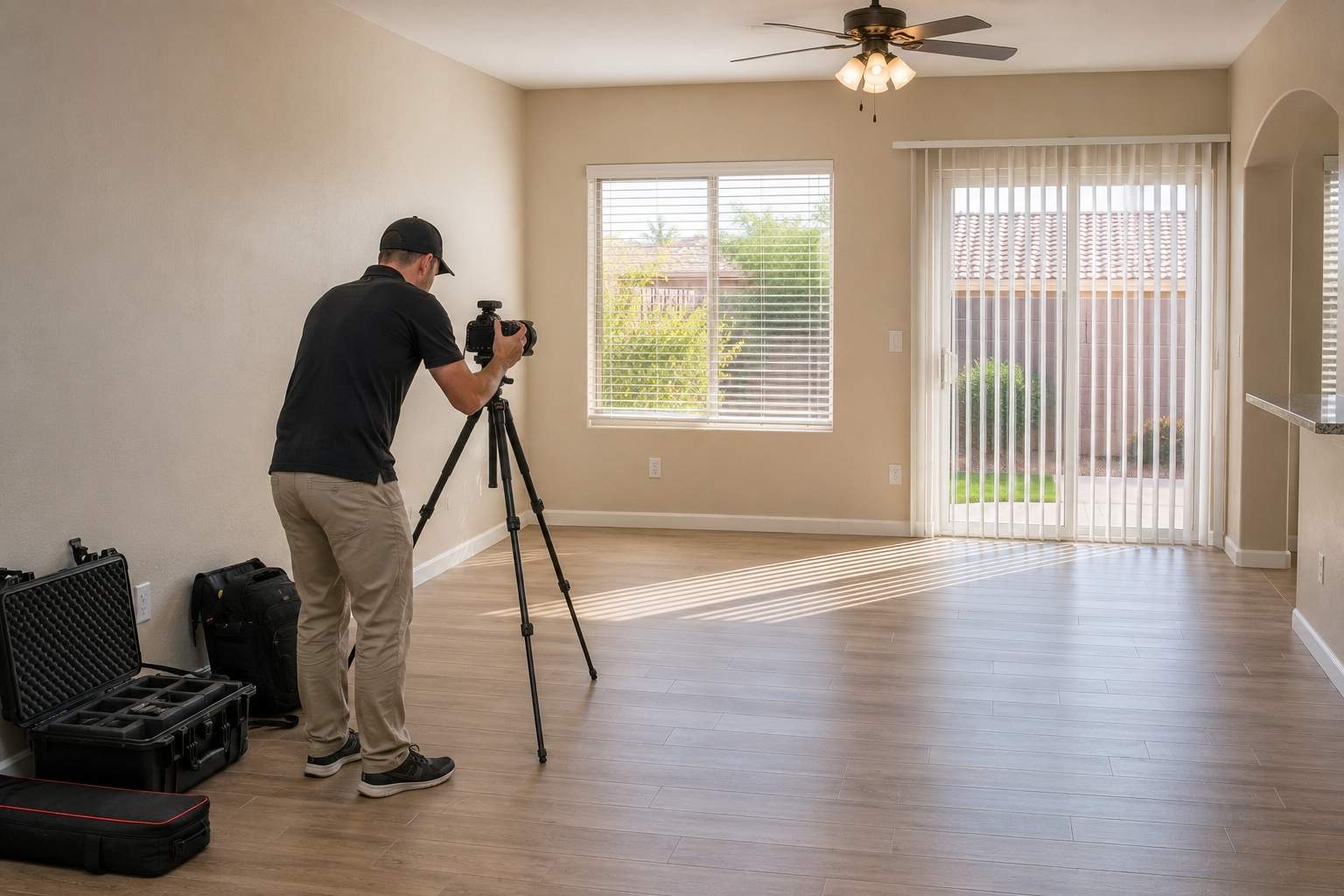
A real review should consider condition, layout, location, tenant status, access for showings, repair history, and how buyers may view the property if it comes to market.
In my Phoenix real estate work, I look at these details because they affect both the selling strategy and the planning conversation. A property with strong appreciation may still need preparation before listing. A property with weaker cash flow may still have strong buyer demand if priced and positioned correctly.
The local details matter because they can change the options available to the owner.
FAQ: Appreciation, Rental Performance, and 1031 Planning
Is appreciation enough reason to keep a rental property?
Not always. Appreciation is important, but it does not tell you whether the property is producing enough income, requiring too much work, or supporting your current goals. A rental can appreciate and still have weak rental asset performance.
How do I know if my rental property is underperforming?
Start by comparing the property’s annual net income to the equity you have tied up in it. Then review repairs, vacancy, management time, tenant issues, and upcoming capital expenses. If the return feels low compared with the work and risk, the property may need a deeper review.
What does return on equity mean for a rental property?
Return on equity compares the annual net income from the rental to the equity you have in the property. For example, if a rental produces $17,000 in estimated annual net income and the owner has $400,000 in equity, the return on equity is about 4.25%.
What is considered a good return on equity for a rental property?
There is no single return on equity number that is automatically good or bad for every rental owner. A lower return may still make sense if the property is easy to manage, fits the owner’s long-term plan, and has acceptable risk. That same return may feel weak if the property requires frequent repairs, creates stress, or no longer supports the owner’s retirement or estate goals.
Should I sell my Phoenix rental property if it has gone up in value?
Not automatically. Selling may be a good option for some owners, but others may choose to keep, improve, exchange, or reposition the asset. Before deciding, review value, income, taxes, condition, and your long-term plan with the right professionals.
What if I do not want to manage tenants anymore?
If you no longer want active landlord duties, you may have options. Depending on your goals and professional guidance, you might consider selling, hiring property management, completing a 1031 exchange into another property, or exploring more passive real estate options such as a Delaware Statutory Trust.
Can a 1031 exchange help if I sell an appreciated rental?
A 1031 exchange may allow qualifying investors to defer certain taxes when selling investment property and buying qualifying replacement property. The rules are strict, so you should speak with a qualified tax professional, attorney, and exchange accommodator before listing or selling.
Before You Let Appreciation Make the Decision for You
If you own a Phoenix-area rental and are wondering whether appreciation is hiding poor rental asset performance, start with a clear real estate asset performance review before you list, exchange, or stay stuck. I’m Shirley Coomer, a licensed Arizona real estate agent with Keller Williams Realty, serving Phoenix, Scottsdale, Chandler, Mesa, Tempe, Gilbert, and nearby East Valley communities. If you’re looking for a Phoenix real estate agent to help you evaluate whether your rental still fits your goals, you can call or text me at 602-770-0643 or email me at scoomer@kw.com.
