
Landlord fatigue does not always show up as a crisis. Sometimes it sounds like, “The tenant called again.” Sometimes it feels like avoiding a repair decision, postponing a rent review, or wondering why a rental that once helped build wealth now feels like another job you never applied for.
Landlord Fatigue Is More Than Being Tired of Tenants
Landlord fatigue is the point where the work, risk, and mental load of owning rental property begin to outweigh the benefit the owner feels from keeping it.
Many rental owners do not wake up one day and decide they are done. It usually builds slowly.
A repair takes longer than expected. A tenant moves out at the wrong time. Insurance costs change. A roof, air conditioner, or plumbing issue suddenly demands attention.
Then the owner starts asking a very different question.
“How much work should this rental require at this stage of my life?”
That is the real issue behind landlord fatigue.
For many owners over 60, the issue is not whether the property helped build wealth. The issue is whether it still fits the life they are trying to live now.
I’m Shirley Coomer, a licensed Arizona real estate agent with Keller Williams Realty serving the Phoenix metro area. In my work with Phoenix-area homeowners, rental owners, downsizers, and families navigating real estate decisions, I often see this shift happen quietly before an owner is ready to say it out loud.
The rental may still have value and produce income. However, the owner’s life, energy, priorities, and tolerance for management may have changed.
The Next Question Is Whether the Property Is Taking Too Much
In the first two articles in this series, we looked at whether a rental property is still doing its job and whether it deserves to stay “employed” in your portfolio.
The next question is more personal: what happens when the property still has value, but the work of owning it starts to take over your retirement?
That question matters because a rental can look fine on paper while quietly creating stress in real life. The property may still collect rent, hold equity, and sit in a strong Phoenix-metro location.
But if it is pulling your time, attention, and energy away from the retirement you planned, it deserves a closer look.
A rental property should support the owner’s goals, not quietly replace them.
A Rental Property Can Become a Job in Disguise
A rental property can look passive from the outside.
Rent comes in. Expenses go out. The property may appreciate over time. On paper, everything may seem fine.
But for the owner, the lived experience can feel very different.
You may still be responsible for:
- Tenant calls
- Vacancy risk
- Repairs and maintenance
- Insurance decisions
- Property taxes
- Lease renewals
- Vendor coordination
- Emergency issues
- Capital improvements
- Timing a future sale
Even with a property manager, the owner is not always fully removed from the decision-making. Someone still has to approve repairs, review numbers, evaluate rent, handle large expenses, and decide what happens next.
Landlord fatigue often begins when the mental load becomes heavier than the monthly income feels worth.
That does not mean the property is bad. It means the property needs to be evaluated honestly.

Retirement Should Not Feel Like Property Management
A rental property that made sense at age 45 may feel very different at age 65, 70, or 75.
Earlier in life, an owner may have had more patience for calls, repairs, vacancies, and long-term appreciation. The goal may have been growth, equity, or future income.
Later in life, the goal may shift.
Instead of asking, “How do I grow this asset?” the better question may be, “How do I simplify without making a costly mistake?”
That is where many rental owners get stuck.
They may not want to manage tenants anymore. At the same time, they may be worried about capital gains taxes, depreciation recapture, replacement options, and what their children may inherit.
They may also wonder whether a 1031 exchange, Delaware Statutory Trust, or future sale should be considered.
Those are planning questions. They should be reviewed with the right tax, legal, and financial professionals.
From the real estate side, my role is to help you understand what the property may be worth, how it is functioning as an asset, and what real estate options may exist before you make a decision.
The Property May Be Performing, But Is It Serving You?
A rental property can be financially positive and still be misaligned with your life.
That is an important distinction.
A property may have:
- Positive monthly cash flow
- Strong appreciation history
- A long-term tenant
- Low vacancy
- Significant equity
- A favorable location
Those are all meaningful. But they do not answer the full question.
The better question is: “Is this property still serving the life I want now?”
For example, a Phoenix-area rental owner may have owned a property for decades. The home may be in Ahwatukee, Mesa, Tempe, Chandler, or another established East Valley area. It may have appreciated substantially.
However, older rentals can also carry desert-climate wear. Roofs, HVAC systems, plumbing, pools, and irrigation may all require attention over time.
In Arizona, those systems matter. Heat is hard on homes. Deferred maintenance can become expensive, and a rental that looks stable may still require major capital decisions.
That is why I like using an asset performance conversation.
Not because it gives one perfect answer, but because it helps the owner stop guessing.
Asset Performance Looks Beyond the Rent Check
Many owners judge a rental by one question: “Does it cash flow?”
That is a start, but it is not enough.
Asset performance looks at the broader picture. It asks whether the equity in the property is working hard enough compared with the effort, risk, and capital required to keep it.
A simple review may include:
- Estimated current property value
- Approximate equity position
- Annual rental income
- Vacancy allowance
- Repair and maintenance reserves
- Property taxes
- Insurance
- HOA costs, if applicable
- Property management fees, if used
- Major upcoming repairs
- Net annual cash flow
- Return on equity
Return on equity is not the same as appreciation. It asks how much income the property is producing compared with the equity tied up in it.
A property can have a lot of equity and still produce a low return on that equity.
That sentence matters for retirement investors.
If the property has substantial equity but only produces modest annual cash flow after realistic expenses, the owner may want to ask whether that equity could be positioned differently. That does not automatically mean selling. It means the asset deserves review.
Landlord Fatigue Often Shows Up Before the Numbers Break
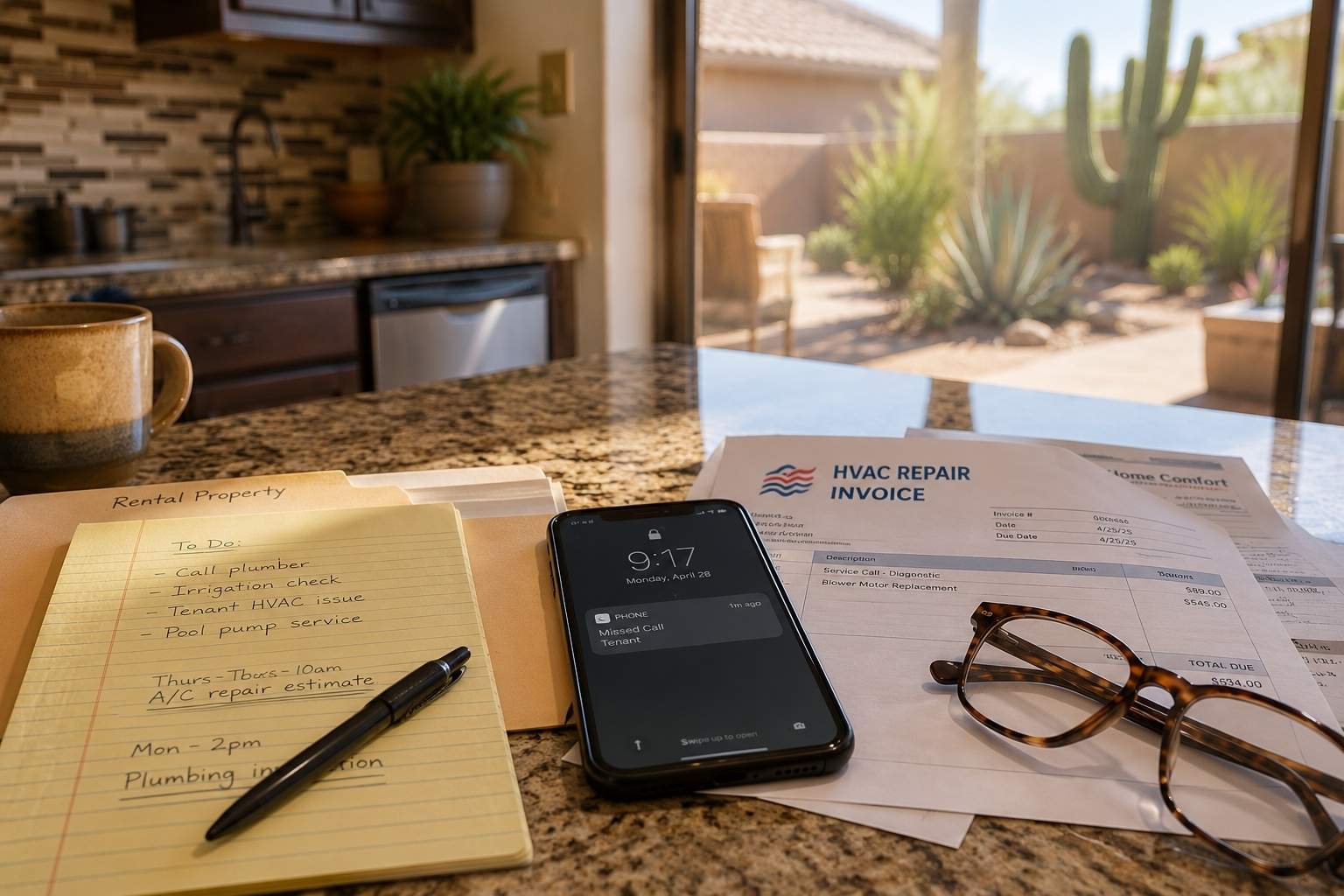
Many rental owners wait until something goes wrong.
They wait for a bad tenant. A major repair. A family emergency. A health issue. A vacancy at the wrong time.
Then they try to make a major real estate decision under pressure.
That is not ideal.
Landlord fatigue is often a warning light before the dashboard turns red.
You may be experiencing it if you find yourself saying:
- “I do not want another tenant turnover.”
- “I am tired of dealing with repairs.”
- “My kids do not want this property.”
- “I like the income, but I hate the management.”
- “I am afraid to sell because of taxes.”
- “I do not know what I would exchange into.”
- “This property used to feel like an asset. Now it feels like a responsibility.”
Those are not just emotional comments. They are decision signals.
They tell you it may be time to step back and evaluate the property as part of your broader retirement, estate, and lifestyle plan.
Taxes Matter, But They Should Not Be the Only Driver
Many owners keep a rental property because they are worried about taxes.
That concern is valid. Selling an appreciated rental property may involve capital gains tax, depreciation recapture, and other tax considerations. A 1031 exchange may be one option, but it has strict rules and timelines.
A Delaware Statutory Trust may also be discussed in some planning situations.
However, taxes should not be the only reason a person keeps an asset that no longer fits their life.
The tax tail should not wag the investment dog.
That does not mean taxes are ignored. It means taxes are reviewed in context with your CPA, attorney, financial advisor, and real estate professional.
As a licensed Arizona real estate agent, I do not give tax, legal, or financial advice. What I can do is help you understand the real estate side of the decision: value, timing, marketability, property condition, likely buyer concerns, and possible sale or exchange planning considerations.
That clarity can help you have better conversations with your professional team.
Your Children May Not Want the Rental Property
This is one of the most overlooked parts of the conversation.
Some rental owners assume their children will want the property someday. Sometimes they do. Many times, they do not.
Adult children may live out of state. They may not want to manage tenants. They may not understand the property. They may not agree with each other about whether to sell, keep, rent, or improve it.
A rental property can be a valuable asset, but it can also create complexity for the next generation.
If your estate plan includes rental real estate, the property should be reviewed before there is a crisis. That conversation may include your estate planning attorney, tax professional, financial advisor, and a real estate agent who understands investment property transitions.
In my Phoenix-area real estate work, I have seen families face real stress when real estate decisions are delayed too long. The problem is not always the property. Often, it is the lack of a plan.
A Property Manager May Help, But It May Not Solve the Bigger Question
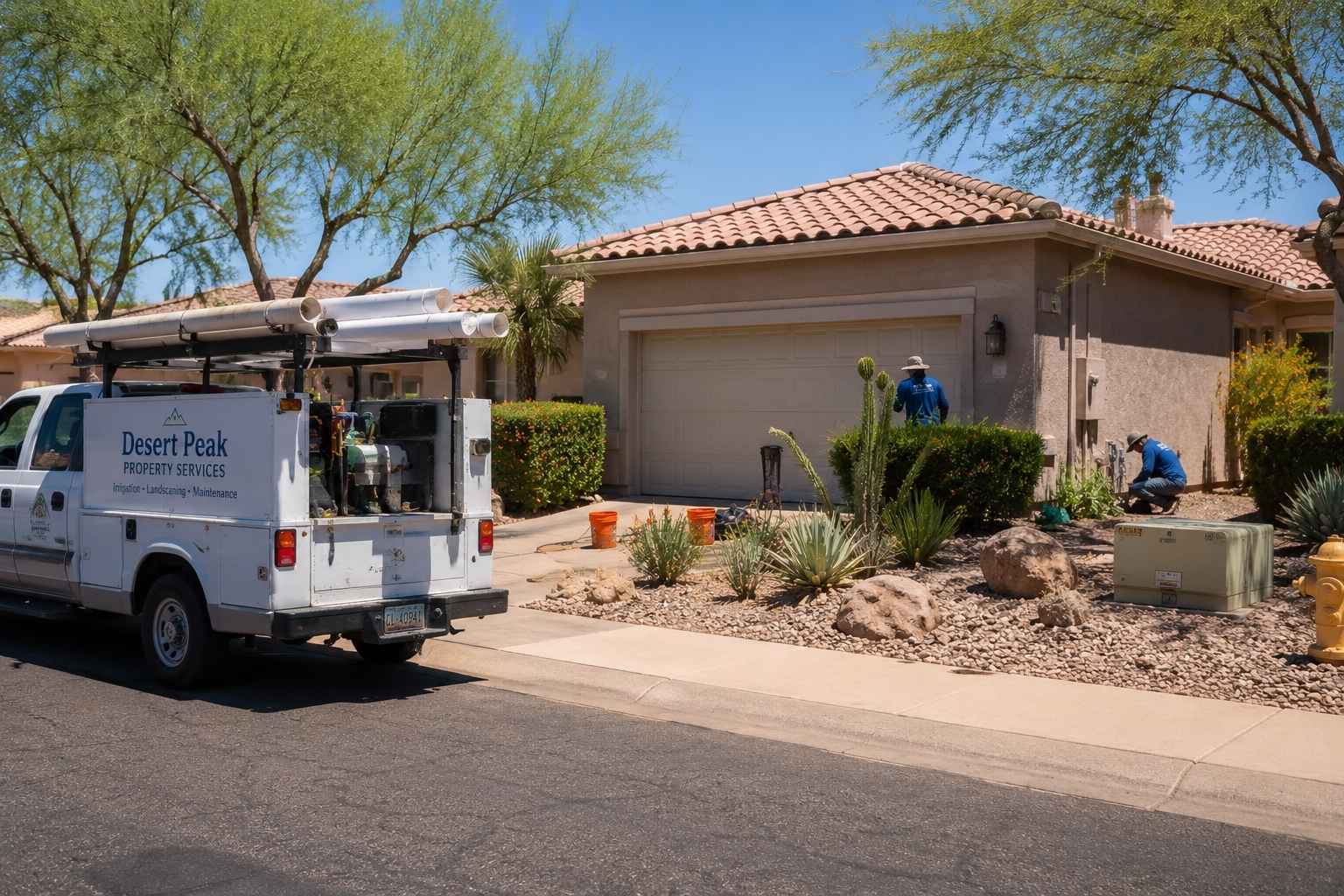
Hiring a property manager can reduce the day-to-day burden.
For some owners, that is the right move. A good property manager can help with tenant communication, rent collection, vendor coordination, and lease issues.
But property management does not always solve landlord fatigue.
Why?
Because the owner still holds the asset, carries the risk, makes the major decisions, and has equity tied up in the property.
If the real issue is management, a property manager may help.
If the real issue is asset alignment, retirement income, estate complexity, or return on equity, then a broader review may be needed.
That is why the question is not simply, “Should I hire a property manager?”
The better question is, “What do I need this property to do for me now?”
A 1031 Exchange May Be a Tool, Not the Goal
Some rental owners hear “1031 exchange” and immediately think it means buying another rental house.
That is one possibility, but it is not the only planning conversation.
A 1031 exchange is a tool that may allow certain investment property owners to defer taxes when exchanging into qualifying replacement property. The rules are strict, and owners need qualified tax and legal guidance before moving forward.
For retirement-age owners, the bigger conversation is not just, “Can I exchange?”
It is:
- Do I want active management?
- Do I want less responsibility?
- Do I want potential income without direct tenant calls?
- Do I want to simplify my estate?
- Do I want to keep real estate exposure?
- Do I want my children to inherit real estate or something simpler?
In some cases, owners may explore another rental property. In other cases, they may explore Delaware Statutory Trust options with properly licensed professionals. Some may decide that selling and paying taxes still fits their life best.
The point is not to force one answer. The point is to start early enough to understand the options.
Phoenix-Area Rental Owners Should Plan Before They Are Pressured
Local real estate knowledge matters because rental property decisions are not made in a vacuum.
A rental home in Phoenix, Scottsdale, Chandler, Mesa, or Tempe may have different buyer demand, repair concerns, tenant expectations, and resale considerations.
A pool, older HVAC system, roof condition, sewer line, irrigation system, HOA rules, or short-term rental restriction can all affect the decision.
In the Phoenix metro area, desert climate and seasonal ownership patterns also matter. Snowbirds, retirees, relocation buyers, and local investors may view the same property differently.
I have worked with Phoenix-area buyers and sellers since 2005, and I know that pricing, preparation, inspection issues, and timing can materially affect the outcome.
I also know that rental owners often need more than a listing appointment. They need a planning conversation before the property ever hits the market.
If you are looking for a Phoenix real estate agent to help you evaluate a rental property, you want someone who can look beyond the transaction and help you think through condition, timing, buyer concerns, and your next step.

The Next Question Is Whether Appreciation Is Hiding the Real Problem
Landlord fatigue often opens the door to a bigger question.
Is the property actually performing, or does it only feel successful because it went up in value?
That matters because appreciation can make an average asset look stronger than it really is. Even when values rise, the rental may still create stress, low return on equity, deferred maintenance, or estate planning complications.
The next question in this series is whether appreciation may be masking weaker asset performance.
A property can rise in value and still underperform as a retirement asset, especially when equity, repairs, risk, and owner fatigue are considered together.
Questions Rental Owners Should Ask Before Making a Decision
Before you decide to keep, sell, exchange, or hold for your heirs, ask yourself better questions.
Start here:
- What is this property supposed to do for me now?
- Is the property supporting my retirement or adding stress?
- What is my true annual cash flow after realistic expenses?
- How much equity is tied up in the property?
- What is my return on equity?
- What major repairs may be coming?
- Do my children want this property?
- Am I keeping it because it performs or because I am afraid of taxes?
- What would need to change for this property to feel worth keeping?
- Who should be part of this decision before I act?
These questions do not replace professional advice. They help you prepare for it.
A rental property should have a clear job. If you cannot define the job anymore, the property may need to reapply for its place in your retirement plan.
FAQ: Landlord Fatigue and Rental Property Decisions
What is landlord fatigue?
Landlord fatigue is the point where owning a rental property starts to feel more stressful, time-consuming, or mentally draining than expected. It often happens when repairs, tenants, vacancies, or future planning decisions begin to outweigh the owner’s desire to keep managing the property.
Should I sell my rental property if I am tired of being a landlord?
Not automatically. Being tired of landlording is a signal to evaluate the property, not a command to sell. You should review cash flow, equity, repair risk, tax impact, estate goals, and replacement options with the right professionals before making a decision.
Can a 1031 exchange help if I do not want another rental house?
Possibly, depending on your situation and whether you qualify. Some investors explore replacement property options that may reduce direct management, including Delaware Statutory Trusts, with guidance from tax, legal, financial, and properly licensed investment professionals. A 1031 exchange has strict rules, so early planning matters.
What if my rental property has appreciated a lot?
Appreciation is valuable, but it does not automatically mean the property is performing well today. A highly appreciated rental may still have low return on equity, rising maintenance needs, or estate planning complications. That is why asset performance should be reviewed separately from appreciation.
How do I know if my rental property is still worth keeping?
Start by reviewing annual income, realistic expenses, upcoming repairs, equity, return on equity, and how much time or stress the property requires. Then compare that with your retirement goals, estate plan, and desire for active or passive ownership.
Who should I talk to before selling or exchanging a rental property?
You should speak with your CPA, estate planning attorney, financial advisor, and a real estate agent who understands rental property transitions. Each professional looks at a different part of the decision. Together, they can help you avoid making a rushed or incomplete choice.
If the Property Is Managing You, It May Be Time for a Better Plan
If landlord fatigue is making you question whether your rental property still fits your retirement, estate plan, or lifestyle, the next step is not panic, it is clarity. I’m Shirley Coomer, a licensed Arizona real estate agent with Keller Williams Realty serving the Phoenix metro area, and I help rental property owners evaluate value, condition, timing, and real estate options before they make a major decision. You can call or text me at 602-770-0643 or email me at scoomer@kw.com to schedule a real estate strategy conversation about whether your rental property is still doing the job you need it to do.
