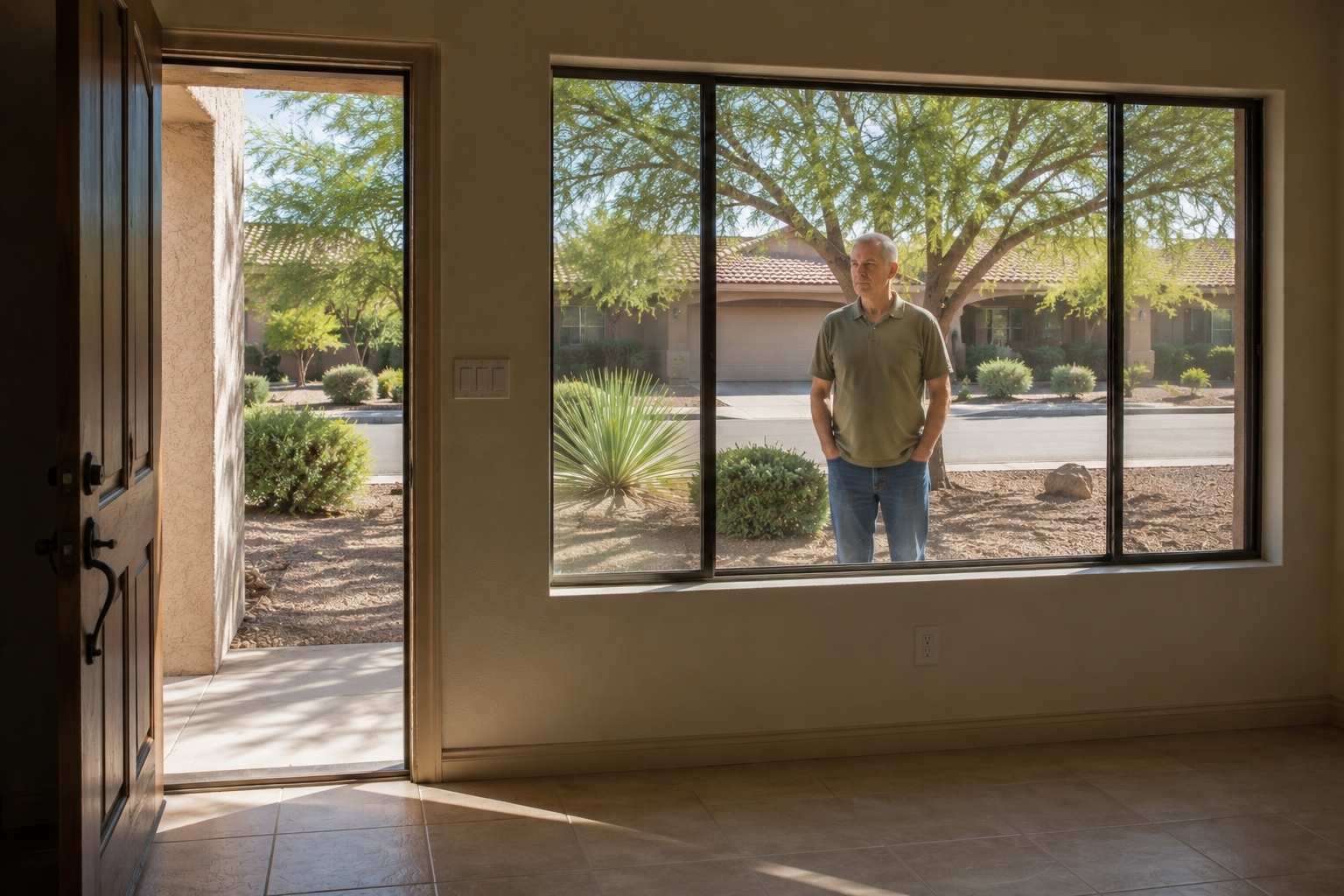
You may know your rental property is no longer doing what you hoped it would do. The cash flow may be thin. The repairs may be increasing. The management may be wearing on you. Yet one thought keeps stopping the conversation: “I do not want to pay the taxes.” Rental property taxes are a real concern, but they should not be the only reason you keep an investment that no longer fits your goals.
Rental Property Taxes Matter, But They Should Not Lead the Decision
Taxes matter. Capital gains, depreciation recapture, and timing can all affect the outcome when you sell investment real estate.
However, the tax tail starts wagging the investment dog when tax fear becomes the main reason you keep a property.
That can happen when an owner says:
“I would sell, but the taxes would be too high.”
“I am tired of managing it, but I do not want the tax bill.”
“The property is not performing well, but I bought it years ago.”
“My kids do not want this rental, but I do not know what else to do.”
Those are not bad thoughts. They are common thoughts. But they are not a complete investment review.
Rental property taxes should be part of the decision to sell, exchange, or hold an investment property, but they should not be the only reason an owner keeps an underperforming asset.
The Last Blog Looked at Appreciation. This One Looks at Tax Fear
In the last article, we looked at how appreciation can make a rental property look stronger than it really is. A property can rise in value and still produce weak income compared with the equity tied up in it.
That is often when the next concern appears.
Once an owner sees that the property may not be performing well, the question quickly becomes, “But what about the taxes if I sell?”
That is why this article comes next in the series.
First, we ask whether the property is doing its job. Then we look at landlord fatigue. Then we examine whether appreciation is hiding weak asset performance. Now we are looking at the tax concern that often keeps owners frozen.
The issue is not whether taxes matter. They do.
The issue is whether tax fear is now making the decision for you.
Your Rental Property Should Still Have a Job
In the first article in this series, we asked a simple question: What is this property supposed to do?
That question still matters here.
Is the property supposed to create retirement income? Build long-term wealth? Provide a future inheritance? Reduce management stress? Support a broader estate plan?
If the property is no longer doing its job, then the next question is not only, “What taxes would I owe?”
The better question is: “What is the cost of keeping this property just to avoid a tax decision?”
That cost may show up in several ways:
- Low return on equity
- Ongoing repairs
- Vacancy risk
- Tenant management
- Insurance increases
- Deferred maintenance
- Family stress
- Estate complexity
- Missed opportunity elsewhere
A rental property can go up in value and still be a poor fit for your current life.
Doing Nothing Is Still a Decision
For many long-term rental owners, rental property taxes are one of the biggest emotional roadblocks.
That is understandable. If you bought the property years ago, the gain may look large. If you have taken depreciation, depreciation recapture may also be part of the discussion.
This is where many investors freeze.
They do not love the property anymore. They do not want more tenants. They do not want another roof, another AC unit, or another late-night repair call. But they also do not want a surprise tax bill.
So they do nothing.
Doing nothing may feel safe, but it is still a decision. Sometimes it is the most expensive decision because the property keeps demanding time, money, and attention.
I am not a CPA or tax advisor, and this article is not tax advice. In my work as a Phoenix-area real estate agent, I encourage rental owners to discuss tax exposure with a qualified tax professional before making decisions.
My role is to help you evaluate the real estate side of the decision so you can have a more complete discussion with your tax, legal, and financial professionals.
The Tax Concern Should Not Hide Poor Asset Performance
A property may look successful because it has appreciated over time.
Appreciation is important, but appreciation alone does not tell you whether the asset is still working well.
For example, an owner may have a rental property worth $600,000 with no debt. On paper, that looks strong. But if the property only produces $18,000 in net annual income after realistic expenses, the return on equity is about 3%.
That may or may not be acceptable. The answer depends on the owner’s goals, risk tolerance, management burden, and available alternatives.
The problem is not that 3% is automatically bad. The problem is when the owner has never calculated it.
In Phoenix-area real estate, I have worked with owners who were surprised to discover that a property they considered a “great investment” was mostly riding on past appreciation, not current performance.
That is why asset performance matters.
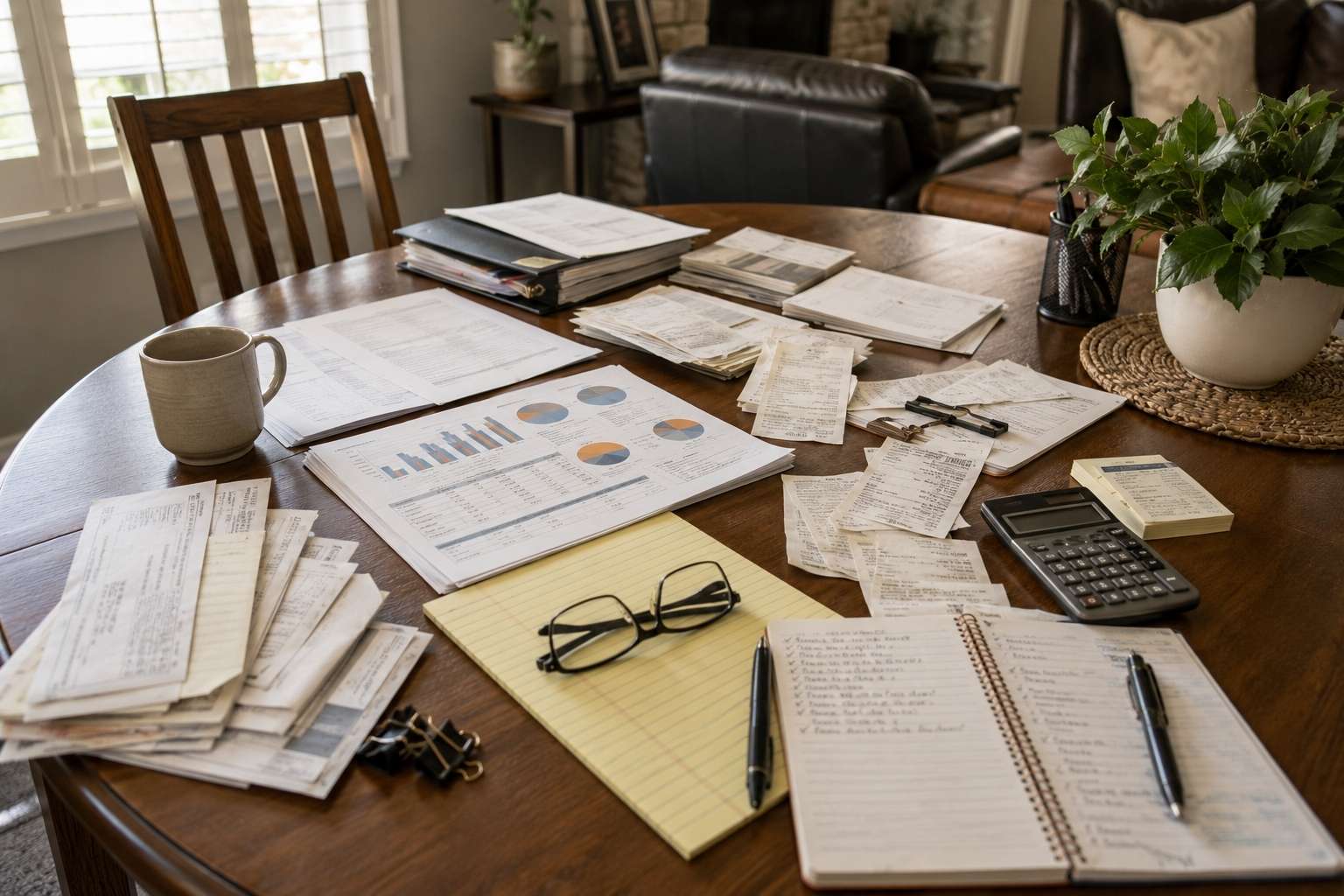
A Simple Review Can Help You See the Bigger Picture
Before deciding to keep, sell, or exchange a rental property, step back and look at the full picture.
A practical review should include:
Current property value
What could the property reasonably sell for in today’s market?
Net operating income
What income remains after vacancy, repairs, property management, insurance, taxes, HOA fees, landscaping, and routine maintenance?
Return on equity
How much is the property earning compared with the equity tied up in it?
Management burden
How much time, stress, and attention does the property require?
Upcoming capital expenses
Are major systems aging, such as roof, HVAC, plumbing, pool equipment, or flooring?
Tax exposure
What would your CPA estimate if you sold without using a tax-deferral strategy?
Planning options
Would a 1031 exchange, Delaware Statutory Trust, or another structure be worth discussing with the right professionals?
This type of review does not force a decision. It gives you better information.
Better information usually leads to better questions.

Phoenix Rental Owners Need a Local Real Estate Lens
Phoenix-metro rental properties can have unique ownership issues.
Desert climate matters. Roofs, AC systems, irrigation, exterior paint, pool equipment, and landscaping can all affect long-term ownership costs.
Seasonality can matter too. Some owners deal with snowbird timing. Others manage tenants through summer repair calls, lease renewals, or vacancy windows.
Local property type also matters. A condo in Tempe, a single-family rental in Chandler, and a patio home in Ahwatukee may all have very different expense patterns, buyer pools, HOA rules, and resale considerations.
I’m Shirley Coomer, a licensed Arizona real estate agent with Keller Williams Realty serving the Phoenix metro area. I help rental owners look at the real estate side of these decisions so they can better evaluate whether the property still fits their plan.
That includes Phoenix, Scottsdale, Chandler, Mesa, Tempe, Gilbert, and nearby East Valley communities when those areas fit the client’s situation.
A 1031 Exchange May Be a Tool, Not the Goal
A 1031 exchange can allow certain investment property owners to defer capital gains taxes when they sell one qualifying investment property and purchase another qualifying replacement property.
That is the short version. The details matter.
A 1031 exchange has strict rules, deadlines, and requirements. You need a qualified intermediary, and you should coordinate with your CPA, attorney, and financial advisor before moving forward.
But here is the key point: A 1031 exchange should support the investment plan. It should not become the plan by itself.
A 1031 exchange may help some investors defer taxes, but the exchange should support the owner’s goals, not replace the investment review.
Some owners may exchange into another rental property. Others may explore passive real estate options, such as a Delaware Statutory Trust, often called a DST, if they want to stay in investment real estate but reduce active management.
That is the bridge to the next article in this series.
If the property is not performing well, but selling outright creates tax concerns, the next question is not simply, “Should I sell?” It may be, “What could I exchange into?”
In the next article, we will look at 1031 exchanges and Delaware Statutory Trusts, and how some investors use them to stay in investment real estate without staying in active landlord mode.
Selling Just to Be Done May Not Be the Best Move Either
The opposite mistake is also common.
Some tired landlords get so frustrated that they want to sell immediately, pay the taxes, and be finished.
That may be the right decision in some cases. But it should still be reviewed carefully.
Before selling outright, ask:
What would the tax impact likely be?
Would a 1031 exchange be worth exploring?
Is the property truly underperforming, or just poorly managed?
Would a different property fit better?
Would a passive real estate structure better match retirement goals?
How does this decision affect your estate plan?
Do your children want to inherit this property?
A clean exit can feel appealing. Still, the goal is not just to escape the problem. The goal is to make a better decision.
The Family Question Should Not Be Ignored
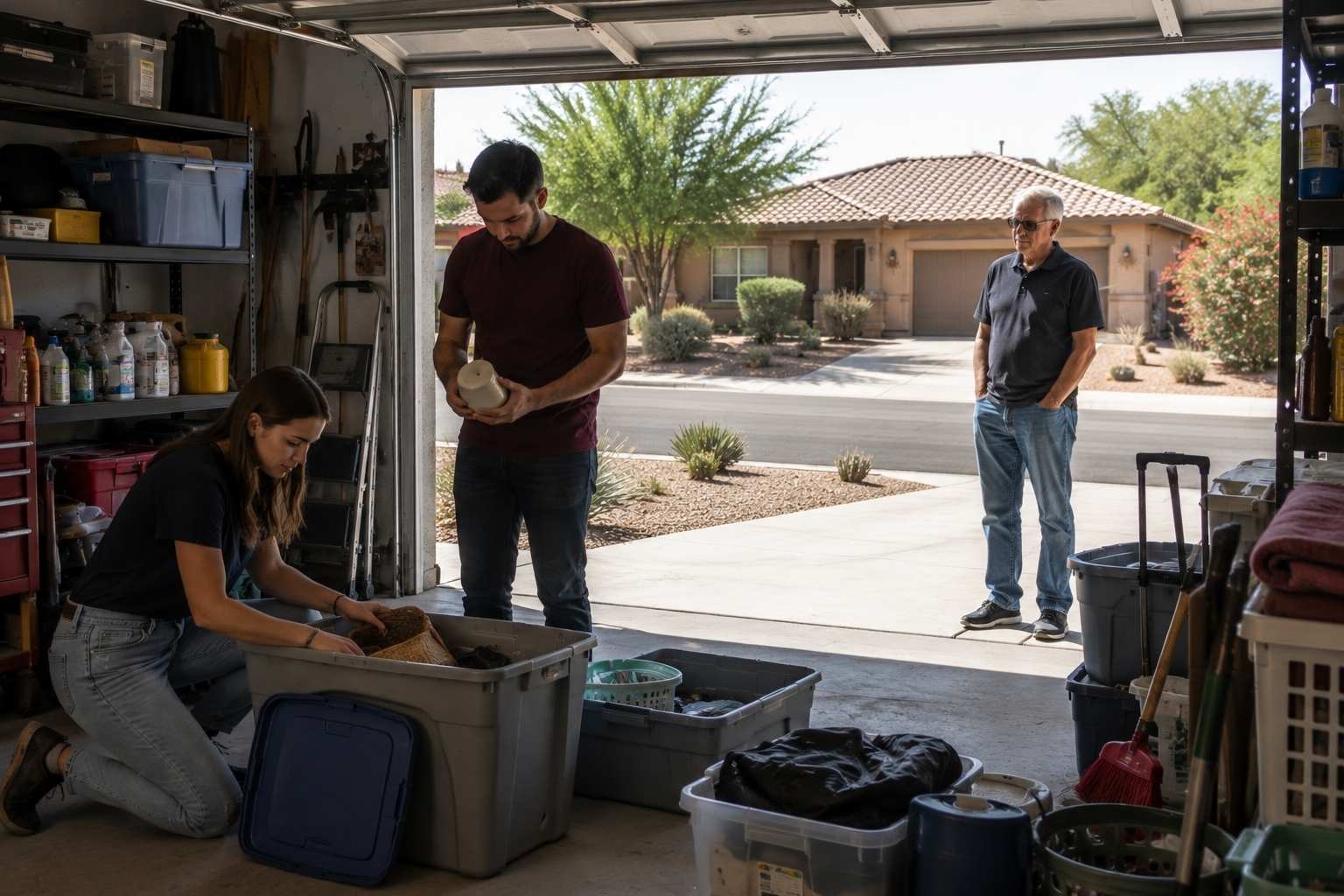
Many rental owners over 60 are not only thinking about income. They are also thinking about what happens later.
Will your children want this property? Will they know how to manage it? Will they agree on what to do with it? Will the property create income, or will it create conflict?
These questions often reveal that rental property taxes are only one layer.
A property can be financially valuable and still be complicated for the next generation.
I have seen Phoenix-area families wrestle with timing, repairs, inherited property decisions, and sale preparation during emotional transitions. Those conversations are easier when planning starts before there is pressure.
If the next generation does not want the rental, that does not mean you failed as an investor. It may mean the asset needs to be repositioned while you still have time to make intentional decisions.
How to Know When Taxes Are Driving the Decision Too Much
Rental property taxes may be driving the decision too much if you keep saying no to every option before you have reviewed the facts.
Here are signs the tax issue may be controlling the decision:
You have not calculated return on equity.
You have not reviewed net income after true expenses.
You have not discussed tax exposure with your CPA.
You assume selling is impossible because of taxes.
You assume keeping the property is safer than reviewing options.
You have not explored a 1031 exchange.
You have not considered whether your heirs want the property.
You are tired, but you keep postponing the decision.
The goal is not to ignore taxes. The goal is to put taxes in the right seat.
Taxes belong in the planning conversation. They do not belong in the driver’s seat.
What a Better Planning Conversation Looks Like
A better conversation starts with the property’s purpose.
Then it looks at performance.
Then it looks at lifestyle.
Then it looks at taxes.
Then it looks at options.
That order matters because it keeps the decision grounded in your goals, not just your fear of one consequence.
A strong planning conversation may include your:
Real estate agent
CPA
Estate planning attorney
Financial advisor
Qualified intermediary
DST or investment professional, when appropriate
Each professional has a different role.
As a real estate agent, I do not give legal, tax, or financial advice. I help you understand the real estate asset, likely sale considerations, property condition, market positioning, timing, and possible next steps.
That information can help your other advisors do their jobs better.

Frequently Asked Questions About Rental Property Taxes and Selling Decisions
Should I keep a rental property just to avoid taxes?
Not automatically. Taxes are important, but they should be weighed against cash flow, return on equity, management burden, repairs, estate goals, and alternative options. Keeping a property only because of taxes may keep you stuck in an asset that no longer fits your life.
What does it mean when the tax tail wags the investment dog?
It means taxes are controlling the decision instead of supporting the decision. When tax fear becomes the main reason you keep a property, you may stop evaluating whether the property is still performing well.
Can a 1031 exchange help with rental property taxes?
A 1031 exchange may allow certain investment property owners to defer capital gains taxes, but it does not make taxes disappear. The rules are strict, and you should work with a qualified intermediary and tax professional before making decisions.
What if I am tired of being a landlord but do not want to sell and pay taxes?
That is exactly when planning matters. You may want to review the property’s performance, speak with your CPA, and explore whether a 1031 exchange or DST could fit your situation. Not every option is right for every owner.
Do my children need to be involved in this decision?
They may not need to be involved in every detail, but it can be wise to ask whether they would want to inherit and manage the property. If they do not want the responsibility, that may affect your estate and real estate planning.
Who should I talk to before selling an investment property in Arizona?
Start with a real estate agent who understands investment property, then coordinate with your CPA, estate planning attorney, and financial advisor. If a 1031 exchange is being considered, a qualified intermediary should be involved before the sale closes.
If Taxes Are the Only Reason You Are Holding On, It Is Time to Review the Property
Your tax concern may be valid. Your hesitation may be reasonable. But if rental property taxes are the only reason you are still holding a rental property that no longer fits your goals, it is time to step back and review the full picture. If you are looking for a Phoenix real estate agent to help you evaluate whether your rental property still makes sense, I can help you start with the real estate side of the decision and coordinate next steps with your tax and legal professionals. You can call or text me at 602-770-0643 or email me at scoomer@kw.com.
